Quiet Luxury Evolution: US High-End Fashion 2026 Trends
The quiet luxury evolution profoundly reshapes US high-end fashion for 2026, emphasizing understated elegance, unparalleled quality, and sustainable practices over overt branding to meet discerning consumer demands.
Por: Rita Lima em 13 de maio de 2026
Advertisements
The quiet luxury evolution profoundly reshapes US high-end fashion for 2026, emphasizing understated elegance, unparalleled quality, and sustainable practices over overt branding to meet discerning consumer demands.
The fashion landscape is perpetually shifting, but few movements have captured the attention of US consumers quite like the ongoing quiet luxury evolution. For 2026, this trend isn’t just about subtle aesthetics; it’s a profound redefinition of value, quality, and personal expression within high-end fashion. This article delves into the nuances of this refined style, exploring its impact and what discerning American shoppers can expect.
Advertisements
Understanding the Core of Quiet Luxury in 2026
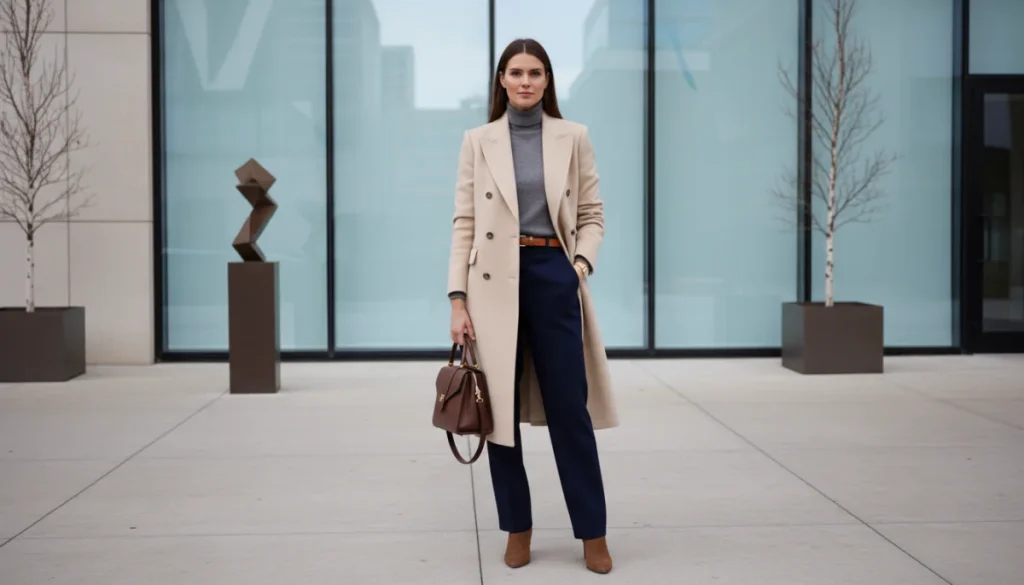
Quiet luxury isn’t a fleeting trend; it’s a philosophy that prioritizes impeccable craftsmanship, superior materials, and timeless design over overt branding. In 2026, this approach has matured, moving beyond mere aesthetics to embody a more conscious and informed consumer mindset. It’s about investing in pieces that speak volumes through their quality, rather than their logo.
For US consumers, this translates into a demand for garments and accessories that offer longevity, versatility, and an intrinsic sense of worth. The focus shifts from what an item says about one’s status to how it makes one feel and the ethical journey it represents. This evolution reflects a broader societal move towards authenticity and considered consumption.
The discerning eye: quality over quantity
At its heart, quiet luxury champions the discerning eye. Consumers are becoming more educated about textiles, construction techniques, and design integrity. They seek out brands that share their values, emphasizing transparency and ethical production.
Material Excellence: A preference for natural fibers like cashmere, silk, merino wool, and organic cotton, chosen for their feel, drape, and durability.
Superior Craftsmanship: Attention to detail in stitching, seams, finishes, and tailoring, ensuring garments fit impeccably and stand the test of time.
Timeless Design: Investment in classic silhouettes and neutral color palettes that transcend seasonal trends, providing enduring style.
The essence of this movement is a rejection of fast fashion’s disposability, replaced by an appreciation for items that are built to last and designed to be cherished. This commitment to quality permeates every aspect of the quiet luxury offering, from the initial design concept to the final product.
Ultimately, the core of quiet luxury in 2026 for US consumers is about making informed choices that align with personal values and a desire for understated elegance that endures. It represents a mature approach to fashion consumption, where substance takes precedence over superficiality.
The Rise of Sustainable Sophistication
Sustainability is no longer a niche concern but a fundamental expectation within high-end fashion, especially for the quiet luxury segment in 2026. US consumers are increasingly aware of the environmental and social impact of their purchases, driving brands to adopt more ethical and transparent practices. This shift has seamlessly integrated with the quiet luxury ethos, where quality and longevity inherently support sustainable principles.
Brands embracing sustainable sophistication are not just minimizing harm; they are actively contributing to a more positive future. This includes everything from sourcing raw materials responsibly to implementing fair labor practices and reducing waste throughout their supply chains. Consumers are looking beyond certifications, seeking genuine commitment and verifiable actions.
Ethical sourcing and production transparency
The demand for ethical sourcing has intensified. Shoppers want to know where materials come from, how they are produced, and under what conditions. Transparency has become a key differentiator for brands aiming to capture the quiet luxury market.
Traceable Supply Chains: Brands providing clear information about the origin of their materials and the journey of their products.
Fair Labor Practices: Ensuring workers across the supply chain receive fair wages and work in safe conditions.
Eco-Friendly Materials: Prioritizing recycled, upcycled, organic, or innovative low-impact materials.
This commitment to transparency builds trust and resonates deeply with the quiet luxury consumer, who values integrity as much as aesthetic appeal. It transforms the act of buying into a conscious decision that aligns with broader ethical considerations.
The quiet luxury market in 2026 is driven by consumers who understand that true luxury extends beyond the product itself to encompass the entire lifecycle and impact of that product. This emphasis on sustainable sophistication is shaping purchasing decisions and pushing the industry towards a more responsible future.
The Psychology of Discreet Branding
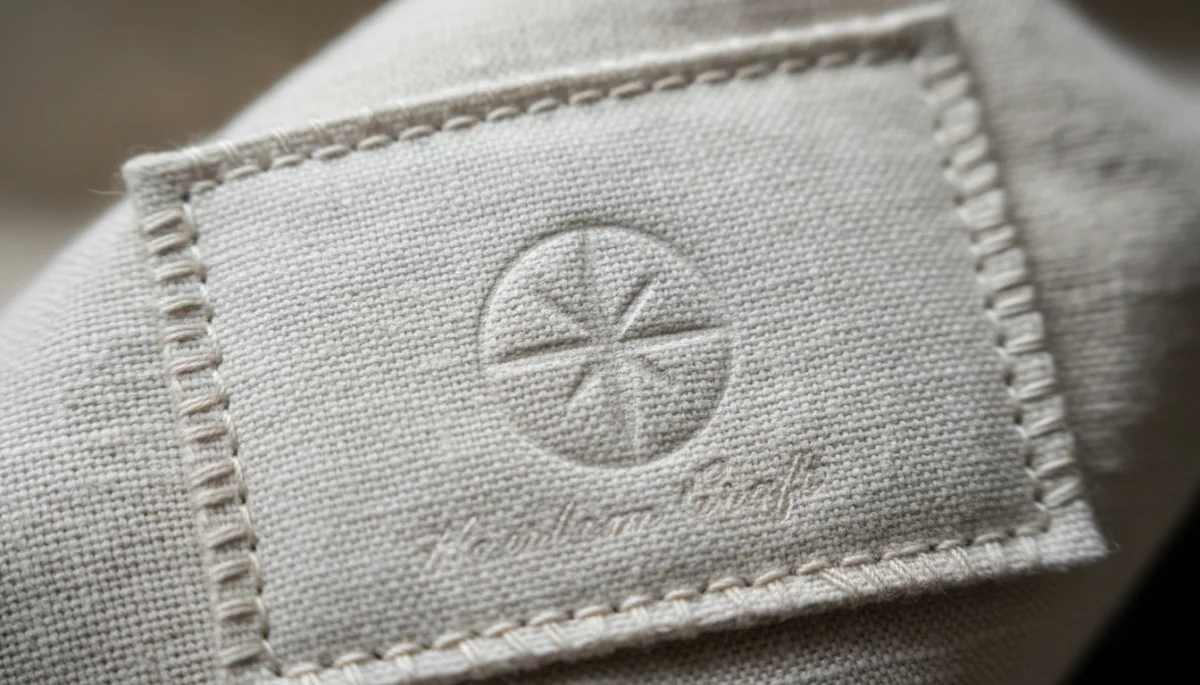
One of the most defining characteristics of the quiet luxury evolution is its rejection of overt branding. In 2026, for US consumers, the allure lies in discretion – wearing clothing and accessories that are recognizable for their quality and design to those in the know, rather than for their prominently displayed logos. This psychological shift signifies a move away from external validation towards an internal sense of confidence and discernment.
Discreet branding allows the wearer to define their style without being a walking advertisement. It’s about personal expression and an appreciation for true intrinsic value. This approach resonates with a demographic that values authenticity and personal taste above all else, seeing overt branding as a sign of insecurity or a lack of individual style.
Subtlety as the ultimate status symbol
In the realm of quiet luxury, subtlety has become the ultimate status symbol. The ability to recognize a high-quality item without a visible logo indicates a sophisticated understanding of fashion and an appreciation for craftsmanship that goes beyond surface-level aesthetics.
Minimalist Aesthetics: Clean lines, timeless silhouettes, and understated designs that allow materials and construction to take center stage.
Understated Details: Small, often hidden, brand markers such as engraved hardware, unique stitching, or a signature internal lining.
Material Recognition: Relying on the tactile and visual cues of premium fabrics and finishes that only an educated eye can truly appreciate.
This psychological shift encourages a deeper engagement with fashion, where consumers become connoisseurs, able to differentiate between genuine quality and mere branding. It fosters a sense of exclusivity, not through price or limited availability, but through shared knowledge and appreciation among a discerning community.
The psychology of discreet branding in 2026 highlights a desire among US consumers for a more personal and refined relationship with their wardrobe. It’s about owning luxury for oneself, rather than for the perception of others, marking a significant evolution in high-end fashion consumption.
Key Designers and Brands Leading the Charge
As the quiet luxury movement gains momentum, several designers and brands are emerging as frontrunners, setting the standard for this refined aesthetic in 2026. These labels distinguish themselves through their unwavering commitment to quality, timeless design, and a philosophy that champions understated elegance. They understand the discerning tastes of US consumers who seek intrinsic value over ostentatious displays.
These brands often have a heritage rooted in craftsmanship, utilizing traditional techniques alongside innovative approaches to create pieces that are both modern and enduring. Their collections are characterized by sophisticated palettes, luxurious textures, and silhouettes that flatter without being overly trend-driven. They are not merely selling clothes; they are selling a lifestyle of considered choices and effortless sophistication.
Innovators in timeless elegance
Leading designers are pushing the boundaries of what quiet luxury can be, integrating sustainability and ethical practices into their core operations. They are creating pieces that serve as foundational elements of a sophisticated wardrobe, designed to be worn and cherished for years.
The Row: Continues to be a benchmark for minimalist luxury, known for its exquisite fabrics and impeccable tailoring that speak for themselves.
Loro Piana: Renowned for its unparalleled cashmere and wool, focusing on the purest materials and classic designs.
Brunello Cucinelli: Master of elevated casual wear, blending artisanal craftsmanship with comfortable, luxurious staples.
Khaite: Offers a modern take on quiet luxury, with strong silhouettes and a focus on luxurious knitwear and outerwear.
These brands exemplify the quiet luxury ethos by prioritizing substance and enduring style. They invest in the quality of their materials and the integrity of their production processes, allowing their products to convey their value without needing large logos or flashy marketing. Their success in 2026 is a testament to the growing consumer appetite for genuine luxury.
The influence of these key designers and brands extends beyond their immediate clientele, inspiring a broader shift in the high-end fashion market towards greater authenticity and a deeper appreciation for true craftsmanship. They are shaping the narrative of what luxury means in the modern era.
Impact on US Consumer Spending Habits
The quiet luxury evolution is significantly reshaping US consumer spending habits in high-end fashion for 2026. Rather than accumulating numerous trendy items, discerning buyers are now investing in fewer, higher-quality pieces that offer longevity and versatility. This shift reflects a more mindful approach to consumption, where purchasing decisions are driven by value, ethical considerations, and a desire for enduring style.
Consumers are becoming more strategic with their luxury budgets, prioritizing items that will form the foundation of a sophisticated wardrobe. This means a greater allocation of funds towards classic outerwear, impeccably tailored separates, and accessories crafted from premium materials. The allure of a fleeting trend is being replaced by the appeal of a timeless investment.
Investment pieces and mindful purchasing
The concept of ‘investment dressing’ has gained new prominence. Shoppers are increasingly viewing their high-end fashion purchases as long-term assets, similar to art or fine jewelry, expecting them to retain their value and relevance over time.
Prioritizing Durability: A preference for items constructed to withstand wear and tear, reducing the need for frequent replacements.
Versatile Wardrobes: Choosing pieces that can be mixed and matched across various outfits and occasions, maximizing their utility.
Conscious Budgeting: Allocating a larger portion of their fashion budget to fewer, more impactful luxury items.
This mindful purchasing behavior extends beyond the initial transaction. Consumers are also investing in proper care and maintenance of their luxury items, further extending their lifespan and reinforcing the value proposition of quiet luxury. The overall impact is a more sustainable and considered approach to fashion consumption, benefiting both the consumer and the environment.
Ultimately, the quiet luxury evolution is fostering a more sophisticated and responsible consumer in the US, one who values intrinsic quality and lasting appeal over transient trends and overt branding. This shift in spending habits is set to define the high-end fashion market for years to come.
The Future of Quiet Luxury: Beyond 2026
Looking beyond 2026, the quiet luxury evolution is poised for continued growth and deeper integration into the fabric of US high-end fashion. This isn’t merely a cyclical trend that will fade; it represents a fundamental shift in consumer values and expectations that will likely endure for decades. The principles of quality, craftsmanship, sustainability, and discreet elegance are becoming cornerstones of what defines true luxury.
The future will see an even greater emphasis on personalization and bespoke experiences, as consumers seek unique expressions of their refined taste. Technology will play a crucial role, not in replacing human artistry, but in enhancing transparency, traceability, and the overall customer journey. Brands that can authentically communicate their values and offer exceptional, understated products will continue to thrive.
Innovation and personalization in understated design
The next phase of quiet luxury will likely involve innovative approaches to material science, pushing the boundaries of sustainable textiles without compromising on luxury feel or performance. Personalization will move beyond monograms to include tailored fits and custom design elements that further elevate exclusivity.
Advanced Sustainable Materials: Development of new eco-friendly fabrics that offer enhanced durability, comfort, and aesthetic appeal.
Hyper-Personalization: Increased availability of custom-made or made-to-order services, allowing consumers to co-create unique pieces.
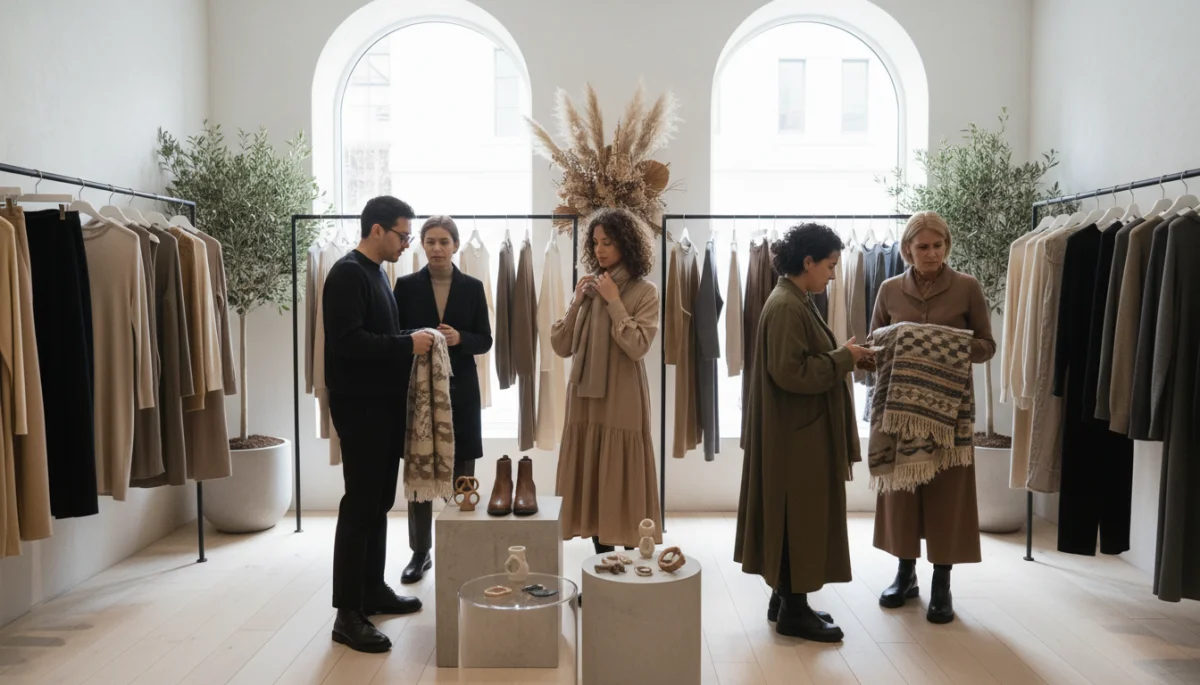
Experiential Retail: Boutique environments offering curated experiences that educate and engage consumers on the craftsmanship and story behind each item.
Furthermore, the quiet luxury aesthetic may expand its influence beyond clothing and accessories into other lifestyle categories, such as home goods and travel, where the same values of quality, durability, and understated sophistication will be highly prized. This holistic approach to luxury living will reinforce the longevity of the trend.
In conclusion, the future of quiet luxury in the US high-end fashion market is bright and dynamic. It signifies a mature and conscious consumer base that will continue to drive innovation and ethical practices, ensuring that quality and timelessness remain at the forefront of luxury consumption for many years to come.
Key Aspect
Description for 2026 US Market
Core Philosophy
Emphasis on craftsmanship, superior materials, and timeless design over overt branding.
Sustainability
Mandatory ethical sourcing, transparent supply chains, and eco-friendly materials.
Discreet Branding
Subtlety and understated details become the ultimate status symbols, rejecting visible logos.
Consumer Spending
Shift towards investment pieces, mindful purchasing, and valuing longevity over trends.
Frequently asked questions about quiet luxury
What defines quiet luxury in 2026 for US consumers?▼
For US consumers in 2026, quiet luxury is defined by an emphasis on exceptional craftsmanship, premium materials like cashmere and silk, and timeless designs. It prioritizes understated elegance and intrinsic quality over flashy logos, reflecting a desire for sophisticated, long-lasting investment pieces.
How does sustainability fit into the quiet luxury trend?▼
Sustainability is integral to quiet luxury in 2026. Consumers expect ethical sourcing, transparent production, and eco-friendly materials. Brands demonstrate commitment through traceable supply chains and fair labor practices, aligning with the quiet luxury ethos of conscious, responsible consumption and longevity.
Why are US consumers opting for discreet branding?▼
US consumers are choosing discreet branding to signal a sophisticated appreciation for quality and design, rather than overt status. It reflects a shift towards internal validation and personal style, where subtle details and the inherent value of an item speak louder than visible logos, fostering exclusivity among discerning individuals.
Which brands are leading the quiet luxury movement?▼
Brands like The Row, Loro Piana, Brunello Cucinelli, and Khaite are at the forefront of the quiet luxury movement. They are celebrated for their meticulous craftsmanship, use of superior fabrics, and commitment to timeless, understated designs that resonate with the discerning tastes of US high-end fashion consumers.
What impact does quiet luxury have on spending habits?▼
Quiet luxury encourages US consumers to invest in fewer, higher-quality pieces rather than chasing fleeting trends. This leads to more mindful purchasing decisions, prioritizing durability, versatility, and long-term value. Consumers view these items as investments, fostering a more sustainable and strategic approach to fashion expenditure.
Conclusion
The quiet luxury evolution is more than just a trend; it’s a paradigm shift in how US consumers perceive and engage with high-end fashion. For 2026 and beyond, this movement emphasizes intrinsic value, unparalleled craftsmanship, and a deep-seated commitment to sustainability. It speaks to a mature consumer base that prioritizes quality over ostentation, personal style over brand display, and conscious consumption over fleeting trends. As the fashion industry continues to evolve, quiet luxury stands as a testament to the enduring appeal of true elegance and thoughtful design, solidifying its place as a dominant force in the luxury market.
I'm a journalist with a passion for creating engaging content. My goal is to empower readers with the knowledge they need to make informed decisions and achieve their goals.