Global-Local Blend: 5 International Influences Shaping US Fashion Trends in 2026
The global-local blend is profoundly shaping US fashion trends in 2026, driven by five key international influences that merge diverse cultural aesthetics with localized sustainable practices and innovative design approaches.
Por: Rita Lima em 13 de maio de 2026
Advertisements
The global-local blend is profoundly shaping US fashion trends in 2026, driven by five key international influences that merge diverse cultural aesthetics with localized sustainable practices and innovative design approaches.
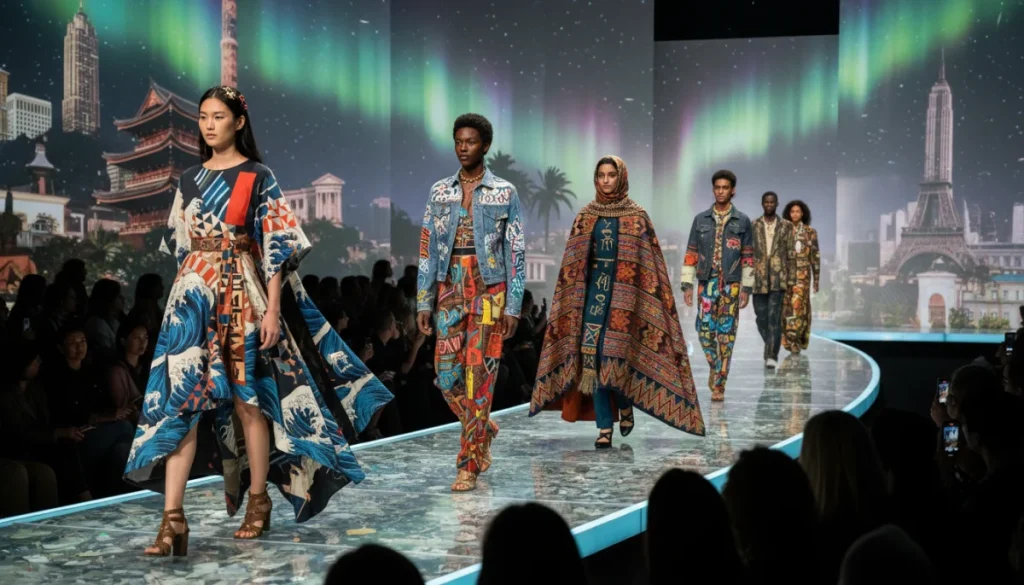
The fashion landscape is perpetually in motion, a dynamic tapestry woven from threads of innovation, culture, and societal shifts. As we cast our gaze toward 2026, it becomes increasingly clear that the concept of a global-local fashion blend is not just a passing fad but a foundational force reshaping US fashion. This intricate interplay sees international trends not merely adopted, but thoughtfully adapted and integrated with local sensibilities, creating a unique sartorial identity that is both globally aware and distinctly American.
Advertisements
The Rise of Sustainable Sourcing and Ethical Production
The imperative for sustainability has transcended mere rhetoric, becoming a driving force behind design, material selection, and production methodologies in the US fashion industry. International influences, particularly from European pioneers and Scandinavian innovators, are setting new benchmarks for ethical practices.
This commitment extends beyond eco-friendly materials to encompass transparent supply chains and fair labor practices, reflecting a consumer base that is increasingly demanding accountability from brands. The global conversation around climate change and social equity has profoundly impacted how US designers approach their craft, moving towards a more conscientious model.
Circular Economy Models from Europe
European fashion houses have long championed the circular economy, emphasizing design for longevity, repair, and recyclability. This philosophy is now deeply permeating US fashion, encouraging brands to reconsider the entire lifecycle of their products.
Design for Durability: Focus on high-quality materials and construction to extend garment life.
Recycling Initiatives: Implementation of programs for consumers to return old garments for recycling or upcycling.
Waste Reduction: Minimizing textile waste through innovative pattern cutting and material utilization.
Upcycling and Repurposing: Creative approaches to transforming discarded materials into new, desirable fashion items.
The adoption of these models signifies a shift from a linear ‘take-make-dispose’ approach to a more regenerative one, where resources are kept in use for as long as possible. This not only reduces environmental impact but also fosters innovation in material science and design.
Fair Labor Practices Inspired by Global Advocates
The spotlight on ethical production, often championed by international non-profits and conscious consumer movements, has pushed US brands to scrutinize their manufacturing processes. From Bangladesh to Vietnam, the conditions of garment workers have become a critical consideration.
Consumers are increasingly willing to pay a premium for products that are certified fair trade or come from factories with audited labor standards. This global pressure for transparency is leading to a more equitable and humane fashion industry worldwide.
Ultimately, the international push for sustainable sourcing and ethical production is transforming US fashion into a more responsible and transparent industry. This influence is not just about compliance but about a fundamental reimagining of fashion’s role in a globalized, interconnected world.
East Asian Aesthetic Minimalism and Functionalism
The understated elegance and pragmatic design principles inherent in East Asian aesthetics, particularly from Japan and South Korea, are undeniably shaping US fashion trends for 2026. This influence manifests in clean lines, neutral palettes, and a focus on versatile, comfortable garments that prioritize function without sacrificing style.
American consumers, increasingly valuing practicality and thoughtful consumption, are embracing this minimalist philosophy. It’s a departure from overt branding and excessive ornamentation, leaning instead towards quality craftsmanship and timeless appeal. This subtle yet profound shift redefines luxury and everyday wear.
Japanese Wabi-Sabi and Imperfect Beauty
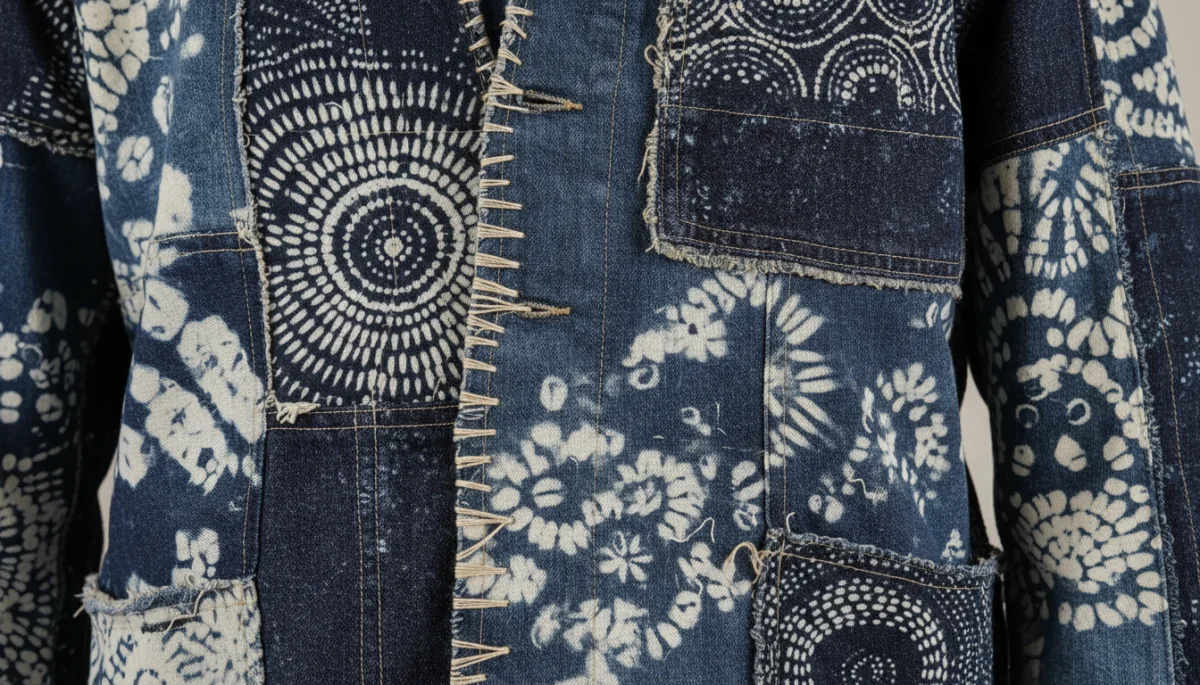
The Japanese concept of Wabi-Sabi, which finds beauty in imperfection and transience, is inspiring designers to appreciate natural textures, irregular dye patterns, and garments that age gracefully. This philosophy encourages a less pristine, more authentic aesthetic.
Natural Fabrics: Emphasis on linen, raw silk, and organic cotton with their inherent textures.
Subtle Details: Delicate stitching, hidden pockets, and thoughtful construction over bold embellishments.
Understated Colors: Earth tones, muted grays, and soft pastels that evoke a sense of calm and naturalness.
Comfort-Centric Silhouettes: Loose-fitting, flowing garments that allow for ease of movement and comfort.
This appreciation for the natural and the unrefined contrasts with fast fashion’s pursuit of fleeting perfection, offering a refreshing alternative that resonates with a desire for authenticity and longevity in clothing.
Korean Streetwear and Gender-Neutral Versatility
South Korea’s vibrant streetwear scene has become a global trendsetter, influencing US fashion with its bold yet functional designs, innovative layering, and a strong emphasis on gender-neutral styles. This approach challenges traditional gender norms in clothing, offering greater freedom of expression.
Korean designers expertly blend comfort with cutting-edge aesthetics, creating pieces that are both practical for urban life and visually striking. The focus on modularity and adaptability allows for garments to be styled in multiple ways, maximizing their utility and appeal.
The influence of East Asian minimalism and functionalism is not merely about adopting specific styles, but about integrating a philosophy that values intentionality, quality, and a harmonious balance between form and function. This resonates deeply with the evolving preferences of the US consumer.
The Vibrancy of African Prints and Textiles
The rich tapestry of African prints and textiles is making a significant impact on US fashion, injecting vibrant colors, intricate patterns, and profound cultural narratives into contemporary designs for 2026. This influence moves beyond mere appropriation to a more respectful and collaborative engagement with African artistry.
From the geometric complexities of Kuba cloth to the narrative power of Adire and Ankara fabrics, these textiles are inspiring American designers to explore new palettes, textures, and storytelling through clothing. This trend reflects a growing appreciation for global heritage and a desire for fashion that carries meaning.
West African Wax Prints and Their Modern Interpretations
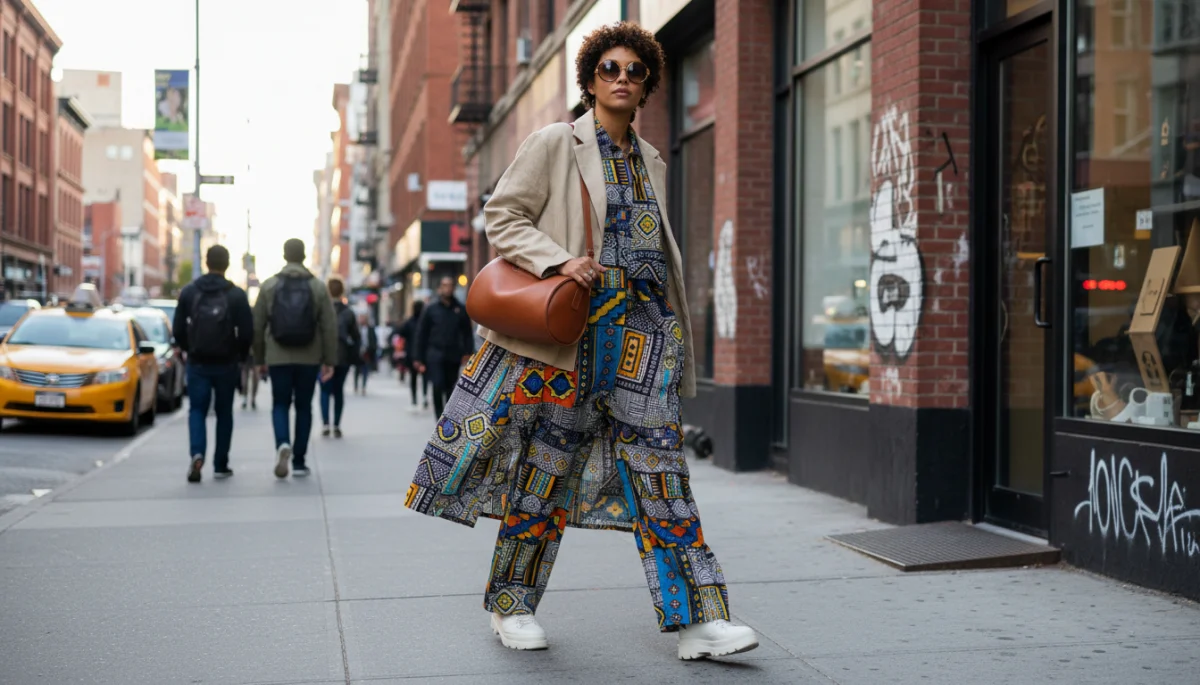
West African wax prints, with their bold colors and symbolic motifs, are being reinterpreted in modern US fashion. Designers are incorporating these fabrics into contemporary silhouettes, blending traditional craftsmanship with urban aesthetics.
Statement Pieces: Wax prints used for jackets, skirts, and dresses that serve as focal points in an outfit.
Accessory Integration: Scarves, bags, and footwear featuring vibrant African patterns.
Collaborative Design: Partnerships between US designers and African artisans, ensuring authenticity and fair compensation.
Cultural Storytelling: Using prints that convey specific meanings or historical narratives, educating consumers.
This integration is not just about aesthetics; it’s about celebrating the cultural richness and artistic legacy embedded within these textiles, fostering a deeper connection between fashion and heritage.
North African Embroidery and Embellishment Techniques
The intricate embroidery and embellishment techniques found in North African garments, particularly from Morocco and Tunisia, are influencing US couture and ready-to-wear collections. These detailed applications add a touch of artisanal luxury and exoticism.
From delicate beadwork to elaborate thread embroidery, these techniques are being adapted to adorn modern Western silhouettes, creating pieces that are both unique and globally inspired. This attention to detail elevates garments from simple clothing to wearable art, appealing to a consumer seeking distinctiveness.
The embrace of African prints and textiles signifies a broader movement towards celebrating diverse cultural expressions in fashion. It enriches the US fashion landscape with vibrant aesthetics and meaningful narratives, pushing boundaries and fostering cross-cultural dialogue.
Latin American Craftsmanship and Bohemian Chic
Latin American craftsmanship, renowned for its vibrant colors, artisanal techniques, and free-spirited aesthetic, is profoundly influencing US fashion trends in 2026, particularly in the realm of bohemian chic. This impact is seen in the adoption of hand-woven textiles, intricate embroidery, and relaxed silhouettes that exude a sense of effortless style and cultural depth.
From the highlands of Peru to the bustling markets of Mexico, the traditional skills passed down through generations are finding new life in contemporary American wardrobes. This trend speaks to a desire for authenticity, individuality, and a connection to global artisanal heritage.
Peruvian and Andean Textile Heritage
The rich textile traditions of Peru and the Andean region, characterized by their vibrant colors and complex weaving patterns, are inspiring US designers. Alpaca wool, known for its softness and warmth, is increasingly featured in collections, alongside geometric and symbolic motifs.
Hand-Woven Fabrics: Integration of traditional weaving techniques into modern garments and accessories.
Alpaca and Llama Wool: Utilization of sustainable and luxurious natural fibers from the Andes.
Geometric Patterns: Incorporation of traditional Andean patterns in prints, knits, and embellishments.
Artisanal Collaborations: Direct partnerships with indigenous communities to preserve traditional crafts and ensure fair trade.
This influence brings a tactile richness and a story to garments, moving beyond mass-produced items to pieces that carry a sense of history and human touch.
Mexican Embroidery and Folkloric Elements
Mexican embroidery, with its intricate floral designs and vibrant color palettes, is lending a distinct folkloric charm to US fashion. This influence is especially evident in blouses, dresses, and denim wear, adding a handcrafted, decorative element.
The playful yet sophisticated use of color and motif from Mexican folk art inspires designers to create pieces that are both cheerful and elegant. This trend often merges with contemporary silhouettes, creating a fusion that is both familiar and exotic.
The integration of Latin American craftsmanship and bohemian chic into US fashion enriches the aesthetic landscape with warmth, color, and a celebration of artisanal skill. It fosters a connection to cultural traditions and offers a refreshing alternative to more austere fashion trends.
Scandinavian Hygge and Practical Luxury
The Scandinavian concept of ‘Hygge’ – a feeling of coziness, comfort, and well-being – is extending its influence into US fashion for 2026, manifesting as practical luxury. This trend emphasizes high-quality, minimalist designs that prioritize comfort, functionality, and timelessness, moving away from fleeting trends towards enduring style.
American consumers are drawn to the simplicity, understated elegance, and inherent practicality of Scandinavian design. It’s about investing in versatile pieces that can be easily mixed and matched, creating a cohesive and effortless wardrobe that supports a calm and balanced lifestyle.
Functional Minimalism and Clean Silhouettes
Scandinavian fashion is renowned for its functional minimalism, characterized by clean lines, uncluttered designs, and practical features. This approach is influencing US designers to create garments that are versatile and adaptable to various occasions and climates.
Layering Essentials: Focus on high-quality basics that are perfect for creating adaptable layered looks.
Neutral Color Palettes: Reliance on black, white, gray, and muted earth tones for timeless appeal.
Comfortable Fabrics: Preference for soft wools, organic cottons, and technical fabrics that offer comfort and performance.
Practical Details: Incorporation of features like adjustable waistbands, hidden pockets, and convertible elements.
This emphasis on functionality ensures that clothing is not only stylish but also serves a practical purpose in daily life, aligning with a desire for efficiency and ease.
Sustainable Practices and Longevity in Design
Sustainability is deeply embedded in Scandinavian design philosophy, focusing on creating products that last and reduce environmental impact. This commitment to longevity is inspiring US brands to adopt similar practices, from material sourcing to production processes.
The idea of ‘buy less, choose well’ resonates with the Scandinavian approach, encouraging consumers to invest in durable, high-quality pieces rather than disposable fast fashion. This shift supports a more conscious and responsible consumption pattern.
The influence of Scandinavian Hygge and practical luxury is transforming US fashion into a more thoughtful and enduring industry. It promotes a sense of calm and well-being through clothing that is both beautiful and inherently useful, reflecting a modern approach to living.
Middle Eastern Modesty and Elegant Draping
The elegant modesty and sophisticated draping techniques prevalent in Middle Eastern fashion are increasingly influencing US trends for 2026, offering new interpretations of coverage and grace. This impact is seen in flowing silhouettes, luxurious fabrics, and a refined approach to layering that maintains an air of mystery and sophistication.
As cultural boundaries blur and fashion becomes more inclusive, American designers are drawing inspiration from the rich sartorial traditions of the Middle East, incorporating elements that appeal to a diverse range of consumers seeking both elegance and comfort.
Flowing Silhouettes and Luxurious Fabrics
Middle Eastern fashion often features garments with generous cuts and flowing lines, emphasizing movement and comfort. This aesthetic is inspiring US designers to create more relaxed yet elegant silhouettes, moving away from overly restrictive clothing.
Maxi Dresses and Skirts: Adoption of long, flowing garments that offer both modesty and style.
Wide-Leg Trousers: Integration of comfortable and chic wide-leg pants into contemporary wardrobes.
Rich Textiles: Use of opulent fabrics like silk, satin, and chiffon for their luxurious drape and feel.
Intricate Embellishments: Incorporation of subtle yet rich embroidery and detailing inspired by regional artistry.
The focus on high-quality fabrics that drape beautifully adds a sense of opulence and sophistication, elevating everyday wear to a more refined level.
Artful Layering and Modest Sophistication
The art of layering is a cornerstone of Middle Eastern fashion, allowing for versatility and varying degrees of coverage while maintaining a cohesive and stylish look. This technique is being adopted in US fashion to create modest yet fashionable ensembles.
Designers are exploring innovative ways to layer garments, using different textures and lengths to create depth and visual interest. This approach offers a sense of refined modesty that can be both empowering and aesthetically pleasing, catering to a broader demographic.
The influence of Middle Eastern modesty and elegant draping is enriching US fashion with new dimensions of style, offering sophisticated alternatives that prioritize grace, comfort, and a timeless appeal. It reflects a global dialogue where diverse cultural aesthetics converge to shape a more inclusive fashion future.
The Digital Frontier: Global Influences in Virtual Fashion
Beyond physical garments, the global digital sphere is becoming a potent incubator for fashion trends, profoundly shaping US perspectives in 2026. Virtual fashion, driven by international innovation in technology and design, is influencing how we perceive style, interact with brands, and even conceptualize clothing.
From Asian gaming communities to European metaverse platforms, the digital realm offers an experimental playground where designers can push boundaries without the constraints of physical production. This virtual melting pot is forging new aesthetics and accelerating trend cycles, making it an undeniable force in the global-local fashion blend.
Metaverse Fashion Weeks and Digital Avatars
International metaverse platforms are hosting virtual fashion weeks, showcasing digital collections that influence real-world design. These events allow brands to reach a global audience instantly and experiment with avant-garde concepts that may eventually trickle down to physical apparel.
Hyper-Realistic Avatars: Digital models showcasing garments with unprecedented detail and realism.
Interactive Experiences: Virtual showrooms and events that allow consumers to engage with fashion in new ways.
NFT Collections: Exclusive digital garments sold as NFTs, creating scarcity and collectible value.
Co-creation Platforms: Tools allowing users to design and customize virtual clothing, blurring lines between consumer and creator.
The influence of these digital showcases lies not only in the designs themselves but in the innovative ways they engage consumers and democratize access to high fashion.
Gaming Skins and Esports Aesthetics
The vibrant world of international gaming, particularly from East Asian developers, is a massive driver of digital fashion trends. Character skins and esports team aesthetics are inspiring physical clothing lines and influencing street style in the US.
The bold graphics, futuristic elements, and distinct cultural references found in popular games are translating into real-world apparel, appealing to a tech-savvy generation that sees their digital identity as an extension of their physical one. This cross-pollination between gaming and fashion is creating a new visual language.
The digital frontier, with its global influences in virtual fashion, is not just a parallel universe but an integral part of the global-local blend. It’s a space where trends are born, tested, and amplified, ultimately shaping the tangible fashion choices of US consumers in innovative and unexpected ways.
Key Influence
Impact on US Fashion 2026
Sustainable Sourcing
Driving ethical production, circular economy models, and transparent supply chains.
East Asian Minimalism
Promoting clean lines, functional designs, gender-neutrality, and understated elegance.
African Prints & Textiles
Injecting vibrant colors, intricate patterns, and cultural storytelling into modern designs.
Digital Fashion
Influencing real-world aesthetics through metaverse fashion and gaming skins, accelerating trends.
Frequently Asked Questions About Global-Local Fashion
How is the global-local blend impacting US fashion trends in 2026?▼
The global-local blend is creating a unique synergy where international styles are adapted to local US contexts. This results in fashion that is both globally aware and distinctly American, emphasizing diverse cultural aesthetics, sustainable practices, and innovative design approaches that resonate with conscious consumers.
What role does sustainability play in this global-local fashion movement?▼
Sustainability is a core driver, particularly influenced by European circular economy models and global ethical production advocacy. US fashion is adopting eco-friendly materials, transparent supply chains, and fair labor practices, moving towards a more responsible and regenerative industry in 2026.
Are East Asian minimalist aesthetics still relevant in US fashion for 2026?▼
Absolutely. East Asian minimalism, with its focus on clean lines, functional design, and gender-neutral versatility (especially from Japan and South Korea), continues to deeply influence US fashion. It promotes quality craftsmanship and timeless appeal over fleeting trends, aligning with evolving consumer preferences.
How are African prints and textiles being incorporated into US fashion?▼
African prints and textiles are enriching US fashion with vibrant colors, intricate patterns, and cultural narratives. Designers are reinterpreting West African wax prints and North African embroidery in modern silhouettes, often through collaborative design, celebrating heritage and fostering cross-cultural dialogue.
What impact does digital fashion have on the global-local blend in 2026?▼
Digital fashion, from metaverse platforms to gaming skins, is a significant global influence. It serves as an experimental space for designers, accelerates trend cycles, and influences real-world aesthetics. This virtual realm is shaping how US consumers perceive and interact with fashion, blurring the lines between digital and physical style.
Conclusion
The evolution of US fashion in 2026 is a compelling narrative of interconnectedness, where a global-local fashion blend is not just a trend, but a defining characteristic. The five international influences explored—sustainable sourcing, East Asian minimalism, African prints, Latin American craftsmanship, Scandinavian practical luxury, and Middle Eastern modesty, alongside the burgeoning digital frontier—collectively paint a picture of an industry that is more diverse, conscious, and innovative than ever before. This synthesis of global perspectives with local adaptation creates a unique and dynamic sartorial identity for the United States, reflecting a world that is increasingly interwoven yet deeply appreciative of individual cultural expression. As these influences continue to merge and evolve, the future of US fashion promises to be rich in both aesthetic appeal and profound cultural significance, offering consumers a wardrobe that is truly of the world, yet distinctly their own.
I'm a journalist with a passion for creating engaging content. My goal is to empower readers with the knowledge they need to make informed decisions and achieve their goals.