Retro Resurgence: 90s & Y2K Dominance in American Trends 2026
The enduring appeal of 90s and Y2K culture in 2026 stems from a potent blend of nostalgia, the cyclical nature of fashion and design, and a desire for comfort and familiarity in a rapidly changing world.
Por: Maria Eduarda em 13 de maio de 2026
Advertisements
The enduring appeal of 90s and Y2K culture in 2026 stems from a potent blend of nostalgia, the cyclical nature of fashion and design, and a desire for comfort and familiarity in a rapidly changing world.
The cultural landscape of 2026 is undeniably shaped by echoes of the past, with the Retro Resurgence: Why 90s and Y2K Culture Still Dominates American Trends in 2026 becoming a pervasive force. From the runways to streaming playlists, and from interior design to digital aesthetics, the distinct styles and sentiments of two pivotal decades continue to captivate and influence a new generation, proving that what’s old is indeed new again.
Advertisements
The relentless cycle of fashion and design
The cyclical nature of fashion and design is a well-documented phenomenon, with trends often making a return after approximately twenty to thirty years. This predictable pattern helps explain the current fascination with the 90s and Y2K eras, as generations who experienced these decades are now in positions of influence, and younger audiences discover them anew.
Understanding this cycle involves recognizing the interplay between cultural memory and contemporary innovation. Designers and artists frequently draw inspiration from past styles, reinterpreting them for a modern context. This isn’t mere replication; it’s an evolution, where familiar silhouettes and motifs are infused with new materials, technologies, and social perspectives.
From grunge to glam: fashion’s full circle
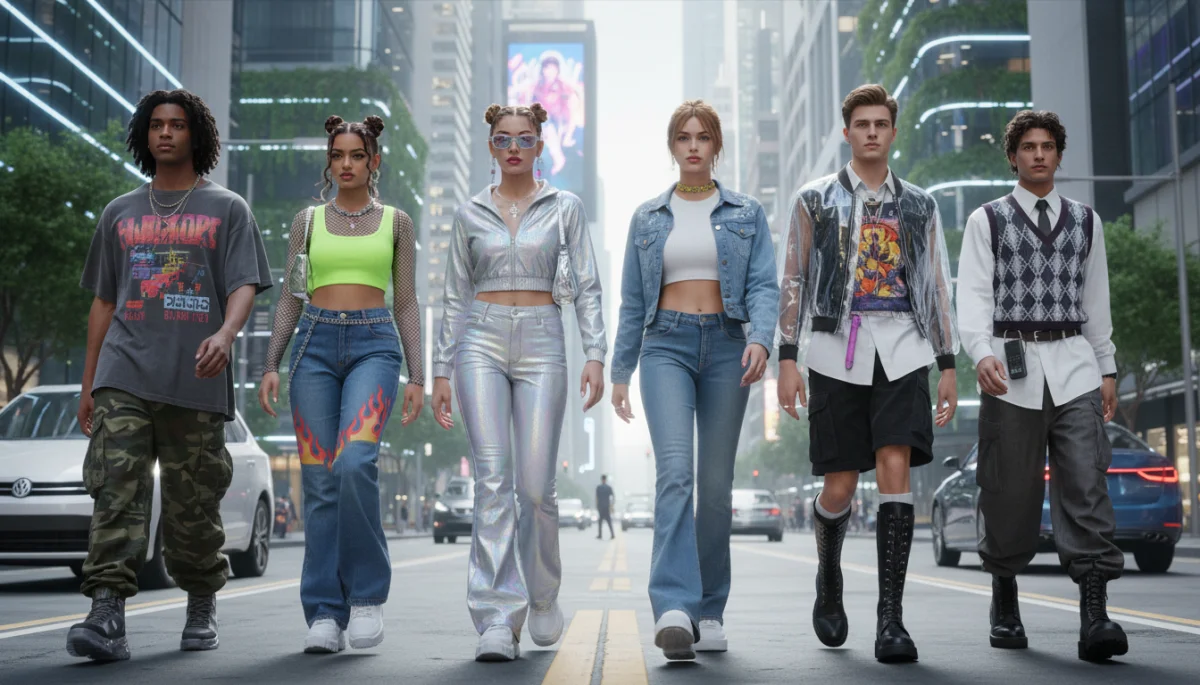
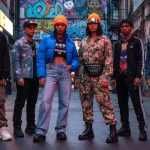
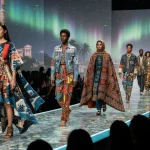
The fashion world has been particularly quick to embrace this retro wave. We’re seeing a full spectrum of 90s and Y2K aesthetics, from the minimalist grunge of the early 90s to the maximalist, futuristic glam of the early 2000s.
Grunge Revival: Oversized flannels, ripped denim, band tees, and combat boots continue to be mainstays, offering a comfortable and rebellious counterpoint to more polished styles.
Y2K Pop Aesthetic: Low-rise jeans, crop tops, butterfly clips, velour tracksuits, and intricate bedazzling have all made significant comebacks, often with a more refined or sustainable twist.
Sportswear Influence: Athleisure, a dominant force in recent years, finds its roots in the 90s obsession with branded athletic wear, which continues to inspire current trends.
This re-emergence isn’t just about clothing; it extends to accessories, hairstyles, and makeup, creating a comprehensive aesthetic that feels both familiar and fresh. The combination of comfort and playful expression inherent in these styles resonates deeply with today’s consumers. The continued rotation of these styles showcases how historical influences are constantly being re-evaluated and integrated into new expressions.
Nostalgia: a powerful cultural currency
Nostalgia stands as one of the most potent drivers behind the sustained popularity of 90s and Y2K culture. For those who grew up during these periods, the return of these trends offers a comforting trip down memory lane, a connection to simpler times, or perhaps a more optimistic past. This sentiment is not limited to a single demographic; it spans generations, each finding their own reasons to engage with these epochs.
The emotional pull of nostalgia is particularly strong in an era marked by rapid technological advancement and significant global shifts. Looking back to a time perceived as less complicated or more defined provides a sense of stability and reassurance. This psychological comfort translates directly into consumer preferences and cultural engagement.
Escapism and idealism of a bygone era
For younger generations, the 90s and Y2K represent a period of discovery, a time before ubiquitous social media and constant digital connectivity. There’s an idealistic view of these decades as a golden age of pop culture, characterized by distinct music genres, iconic films, and a nascent internet that felt full of promise rather than peril.
Pre-digital innocence: The allure of a time when childhood largely existed offline, with less pressure from curated online personas, is highly appealing.
Optimistic futurism: Y2K, in particular, embodied a hopeful vision of the future, despite the millennium bug scare, with sleek designs and a belief in technological progress that felt less cynical than today’s outlook.
Cultural touchstones: Classic sitcoms, animated series, video games, and music from these eras provide a rich tapestry of content that resonates with universal themes and high-quality storytelling.
The escapism offered by these cultural touchstones is invaluable. Engaging with 90s and Y2K aesthetics and media allows individuals to momentarily step away from contemporary anxieties and immerse themselves in a more lighthearted or familiar world. This emotional connection is a key factor in the sustained resonance of these trends, ensuring their presence will continue to be felt through 2026 and beyond.
The influence of media and digital platforms
The sustained dominance of 90s and Y2K culture in 2026 cannot be discussed without acknowledging the profound influence of modern media and digital platforms. Social media, streaming services, and online communities act as powerful engines for trend propagation, turning fleeting nostalgic moments into pervasive cultural movements. These platforms provide unprecedented access to archives of past media, allowing for constant rediscovery and reinterpretation.
Today’s content creators, influencers, and digital artists are often the primary conduits through which these retro aesthetics are introduced to new audiences. They curate, remix, and present these styles in ways that make them relevant and appealing to contemporary tastes, bridging the gap between historical context and current relevance. This digital amplification ensures that the retro resurgence is not just a niche interest but a widespread phenomenon.
TikTok, Instagram, and the retro aesthetic machine
Platforms like TikTok and Instagram have become crucial for the dissemination of 90s and Y2K trends. Short-form video content and curated visual feeds are ideal for showcasing fashion, beauty, and lifestyle elements from these decades.
Trend cycles accelerated: Social media significantly shortens trend cycles, but it also provides a continuous feedback loop that keeps popular retro styles in circulation for longer periods.
DIY and thrift culture: The emphasis on thrifting and upcycling, often shared through social media, makes 90s and Y2K fashion accessible and sustainable, appealing to environmentally conscious consumers.
Algorithmic reinforcement: Algorithms often identify and promote content related to these trends, further solidifying their presence in users’ feeds and reinforcing their popularity.
Beyond fashion, streaming services have made an extensive library of 90s and Y2K films, TV shows, and music readily available. This easy access allows new generations to consume and appreciate the original content that defined these eras, fostering a deeper understanding and appreciation for the cultural context. The interplay between digital platforms and accessible media content ensures that the retro resurgence remains a vibrant and evolving aspect of American trends in 2026.
Economic and social factors at play
Beyond nostalgia and media influence, several economic and social factors contribute significantly to why 90s and Y2K culture still dominates American trends in 2026. The economic climate, consumer behavior shifts, and broader societal values all play a role in shaping what resonates with the public.
Periods of economic uncertainty or rapid change often lead consumers to seek comfort and familiarity in their purchases. Retro items, whether fashion, decor, or entertainment, can offer a sense of security and a perceived value that new, untested trends might lack. This psychological anchor becomes particularly relevant in a post-pandemic world, where a desire for stability is paramount.
Affordability and accessibility of retro styles
The accessibility and often more affordable nature of retro styles also contribute to their enduring appeal. Unlike high-end designer trends, many 90s and Y2K looks can be recreated through secondhand shopping, vintage finds, or fast fashion interpretations, making them attainable for a wider audience.
Thrift store treasures: The rise of thrift shopping and vintage markets aligns perfectly with the desire for unique, sustainable, and budget-friendly fashion inspired by these decades.
Mass-market adoption: Major retailers have consistently incorporated 90s and Y2K elements into their collections, making these styles widely available and mainstream.
DIY culture: The creative freedom associated with retro styles encourages personalization and DIY approaches, allowing individuals to express their identity without significant financial investment.
Furthermore, there’s a generational aspect where younger consumers, facing different economic realities than previous generations, prioritize value and individuality. The anti-establishment undertones of 90s grunge or the playful individualism of Y2K fashion align with a desire to break free from traditional consumerist patterns. These economic and social considerations provide a robust foundation for the continued prevalence of 90s and Y2K aesthetics in 2026, making them more than just passing fads.
Technology’s retro-futuristic twist
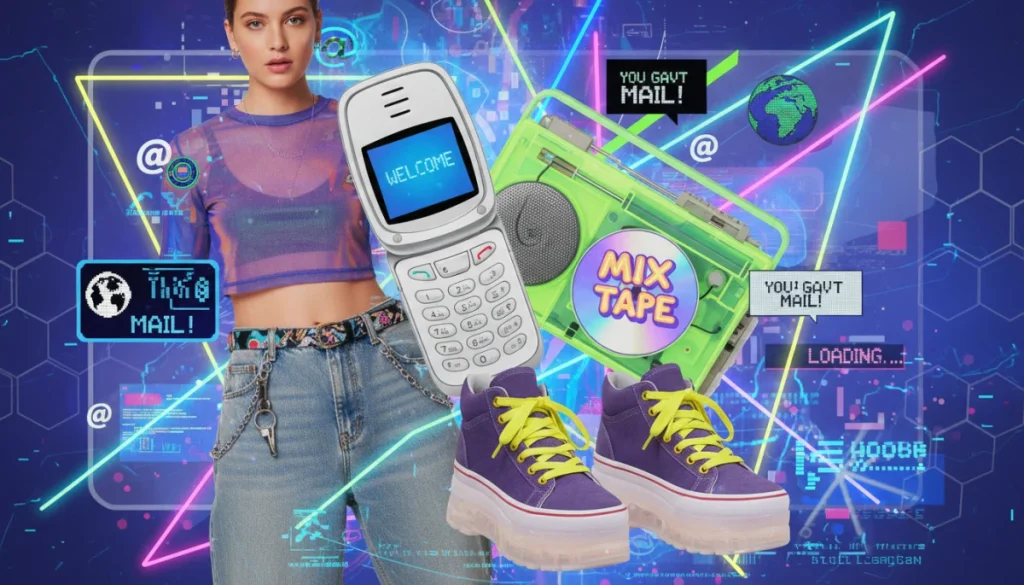
The technological landscape of the 90s and Y2K, though seemingly primitive by today’s standards, also holds a particular fascination that continues to influence American trends in 2026. This isn’t about a literal return to dial-up internet or clunky CRT monitors, but rather an aesthetic and conceptual appreciation for the retro-futurism and early digital culture that defined these periods. The chunky, colorful, and sometimes transparent designs of early tech are being re-imagined and integrated into modern products and digital interfaces.
There’s a certain charm in the simplicity and tactile nature of older technology, a stark contrast to the sleek, minimalist designs that have dominated recent years. This contrast creates an opportunity for designers to infuse modern gadgets with a playful, nostalgic aesthetic, appealing to consumers who appreciate both cutting-edge functionality and a touch of vintage flair.
From flip phones to pixel art: a digital renaissance
The influence of 90s and Y2K technology extends across various domains, from consumer electronics to digital art and user interface design.
Reimagined gadgets: While not fully mainstream, the resurgence of flip phones or retro-inspired gaming consoles speaks to a desire for simpler, less distracting devices.
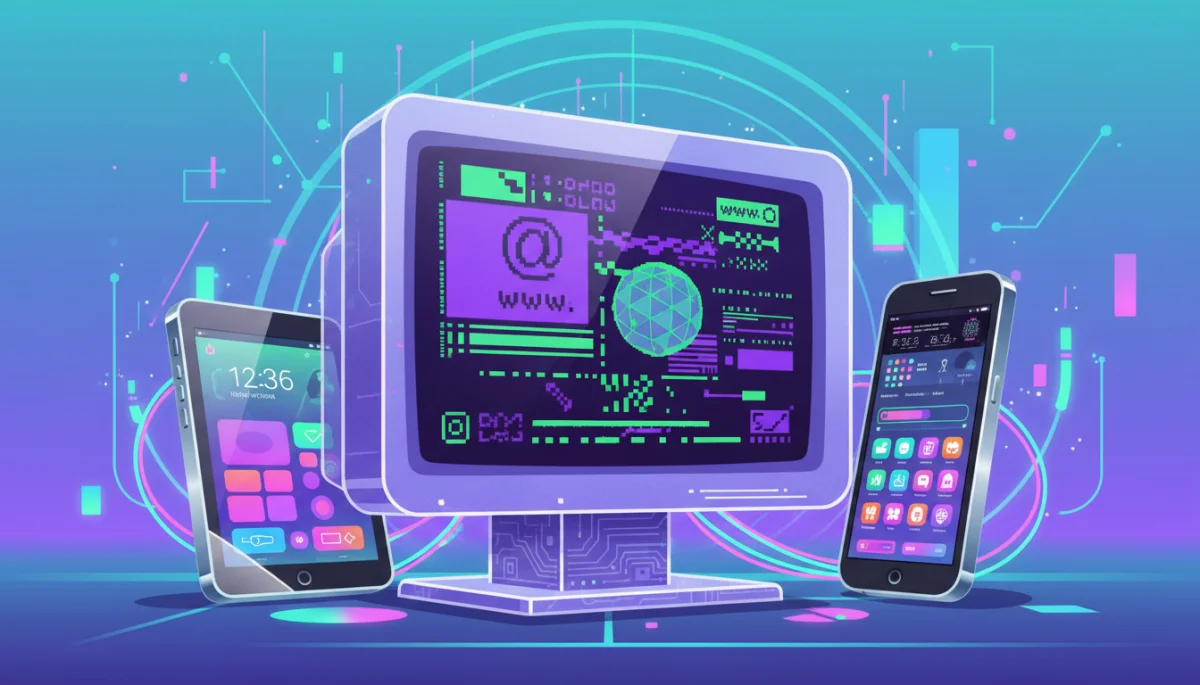
Pixel art and low-poly graphics: The aesthetic of early video games and internet graphics, characterized by pixelation and low-polygon counts, has found a new life in contemporary digital art, game design, and even brand marketing.
Slightly clunky but colorful design: The bold colors, translucent plastics, and visible internal components of devices like the original iMac G3 or Nintendo 64 are inspiring modern product design, adding character and visual interest.
This retro-futuristic twist in technology is more than just skin deep; it reflects a broader cultural appreciation for the origins of our digital world. It’s a nod to the era when the internet was a new frontier, full of boundless possibilities and a sense of wonder. By incorporating these elements, designers are creating products and experiences that are both innovative and deeply resonant with a collective memory of technological evolution. This blend of past and present ensures that the spirit of 90s and Y2K tech continues to shape our digital lives in 2026.
The enduring appeal of iconic entertainment
The entertainment landscape of the 90s and Y2K provided a treasure trove of iconic films, television shows, and music that continue to exert a powerful influence on American trends in 2026. This isn’t just about re-watching old favorites; it’s about these cultural artifacts shaping new creative endeavors, influencing contemporary narratives, and serving as a wellspring of inspiration for artists, musicians, and filmmakers today. The stories, characters, and soundtracks from these decades possess a timeless quality that resonates across generations.
Streaming platforms have played a significant role in making this content more accessible than ever, allowing both original fans to revisit their youth and new audiences to discover the foundational elements of modern pop culture. This constant exposure ensures that the themes, styles, and humor of 90s and Y2K entertainment remain relevant and influential.
Soundtracks, cinema, and television’s lasting legacy
From grunge anthems to R&B slow jams, and from teen comedies to groundbreaking dramas, the entertainment of these eras left an indelible mark.
Music’s continuous loop: 90s hip-hop, R&B, grunge, pop-punk, and Y2K pop continue to be sampled, remixed, and directly referenced in contemporary music, dominating playlists and inspiring new artists.
Film and TV remakes/reboots: The sheer number of reboots, sequels, and adaptations of 90s and Y2K films and TV shows (e.g., Saved by the Bell, Clueless-inspired fashion, The Matrix‘s enduring influence) demonstrates their lasting cultural capital.
Storytelling and character archetypes: The narrative structures and character development seen in 90s and Y2K media often serve as blueprints for current productions, particularly in genres like romantic comedies and coming-of-age stories.
Beyond direct influence, the aesthetic of these entertainment forms also impacts visual trends. Music videos from the 90s, the color palettes of Y2K cinema, and the graphic design of album covers from these periods all contribute to the retro visual language seen across various media in 2026. This deep and pervasive influence underscores why the cultural products of the 90s and Y2K remain not just popular, but truly foundational to American trends.
Looking ahead: sustainability and evolution
As we observe the continued dominance of 90s and Y2K culture in American trends in 2026, it’s crucial to consider the future trajectory of this retro resurgence. Will it eventually fade, or will it evolve into something new? The answer likely lies in its adaptability and the increasing emphasis on sustainability within the fashion and lifestyle industries. The current iteration of retro trends is not merely about replication; it’s about thoughtful reinterpretation and integration into contemporary values.
Sustainability, in particular, plays a vital role. The appreciation for vintage items, the practice of thrifting, and the conscious choice to invest in durable, timeless pieces from these eras align perfectly with a growing consumer demand for more environmentally responsible consumption. This inherent connection gives the 90s and Y2K aesthetic a longevity that purely fleeting trends often lack.
Beyond a trend: a cultural touchstone
The 90s and Y2K are transitioning from being a temporary trend to becoming established cultural touchstones, much like the 60s or 70s. Their influence will likely continue, albeit in more subtle and integrated ways.
Conscious consumption: The emphasis on vintage and secondhand items from these decades supports sustainable fashion practices, extending the lifecycle of clothing and accessories.
Timeless silhouettes: Many styles from these eras, such as specific denim cuts or oversized outerwear, have proven to be versatile and enduring, becoming classic wardrobe staples rather than transient fads.
Hybrid aesthetics: Expect to see more nuanced blends of 90s/Y2K elements with futuristic or entirely new aesthetics, creating unique hybrid styles that keep the retro influence fresh and relevant.
The evolution of this retro resurgence suggests that while specific fads may come and go, the core aesthetics and sentiments of the 90s and Y2K will remain a significant part of the American cultural fabric. They provide a rich historical palette for continuous re-imagination, ensuring that their dominance, in some form, will persist well beyond 2026. This ongoing adaptation and integration into sustainable practices ensure its relevance for years to come.
Key Aspect
Description of Influence
Nostalgia & Comfort
A powerful driver, offering emotional security and a connection to a perceived simpler past for all generations.
Fashion & Design Cycles
The predictable 20-30 year trend rotation naturally brings 90s and Y2K styles back into contemporary relevance.
Digital Platform Amplification
Social media and streaming services accelerate and sustain retro trends, making them accessible to new audiences.
Sustainability & Affordability
Thrifting and accessible retro styles align with conscious consumption, ensuring their widespread adoption and longevity.
Frequently asked questions about the retro resurgence
Why are 90s and Y2K trends still so popular in 2026?▼
Their enduring popularity stems from a confluence of factors: strong nostalgia for those who lived through the eras, the cyclical nature of fashion trends, and the accessibility of these styles through thrifting and modern interpretations. Digital platforms also play a significant role in continuously circulating and reintroducing these aesthetics to new audiences, making them relatable and desirable.
How do current trends reinterpret 90s and Y2K fashion?▼
Current trends don’t just copy; they evolve. Designers take iconic silhouettes like baggy jeans or crop tops and infuse them with modern fabrics, sustainable practices, or new styling techniques. This reinterpretation often results in a more refined or versatile version of the original, blending the best of both worlds and ensuring the styles remain fresh and relevant for today’s consumers.
What role does social media play in the 90s and Y2K revival?▼
Social media platforms like TikTok and Instagram are central to the revival. They act as powerful trend accelerators, allowing influencers and content creators to showcase retro styles, music, and aesthetics to vast audiences. This constant digital exposure keeps the trends in conversation, making them discoverable for younger generations and reinforcing their appeal through curated visual content and viral challenges.
Are there economic reasons for the continued interest in retro culture?▼
Yes, economic factors contribute significantly. In times of uncertainty, consumers often gravitate towards comforting and familiar items. Retro styles, particularly through thrifting and vintage markets, offer affordable and sustainable options that appeal to budget-conscious consumers and those seeking unique, individualized looks. This accessibility makes retro trends a practical choice for many.
Will the 90s and Y2K resurgence eventually fade away?▼
While specific fads within the 90s and Y2K aesthetic may eventually wane, the overall influence is likely to endure, evolving into a more integrated cultural touchstone. Much like the lasting impact of earlier decades, these periods will continue to inspire. Their strong connection to sustainability and continuous reinterpretation suggests a long-term presence in American trends, rather than a complete disappearance.
Conclusion
The enduring magnetism of 90s and Y2K culture in American trends in 2026 is a testament to the powerful interplay of nostalgia, cyclical fashion patterns, digital amplification, and evolving consumer values. These decades offer a rich tapestry of aesthetics, sounds, and sentiments that resonate deeply with diverse demographics, providing both comfort and novelty. As we move forward, the retro resurgence is unlikely to disappear entirely; instead, it promises to continue evolving, integrating seamlessly into contemporary life while retaining its distinctive charm. This ongoing dialogue between past and present ensures that the spirit of the 90s and Y2K will remain a vibrant and influential force in shaping American culture for years to come.
A journalism student and passionate about communication, she has been working as a content intern for 1 year and 3 months, producing creative and informative texts about decoration and construction. With an eye for detail and a focus on the reader, she writes with ease and clarity to help the public make more informed decisions in their daily lives.