Gender-Neutral Fashion 2026: US Retail & Consumer Shifts
Advertisements
By 2026, gender-neutral fashion is projected to significantly reshape the US retail landscape and consumer purchasing habits, fostering inclusivity and demanding innovative design and marketing approaches from brands.
The fashion industry is undergoing a profound transformation, and by 2026, gender-neutral fashion is set to redefine how US consumers shop and how retailers operate. This evolving trend challenges traditional sartorial norms, advocating for clothing designed without specific gender binaries, and its influence is expanding rapidly across the American market.
Advertisements
The Evolution of Gender-Neutral Fashion in the US Market
Gender-neutral fashion, often referred to as unisex or agender clothing, is not a new concept; however, its mainstream acceptance and market penetration are reaching unprecedented levels in the United States. This shift is driven by a confluence of cultural, social, and economic factors, reflecting a broader societal movement towards inclusivity and self-expression beyond traditional gender roles. Consumers, particularly younger generations, are increasingly prioritizing clothing that aligns with their personal identity and values, rather than conforming to outdated gendered classifications.
The move towards gender-neutral apparel signifies a departure from the historical segmentation of fashion into distinct ‘men’s’ and ‘women’s’ departments. Instead, brands are focusing on universal designs, comfortable fits, and versatile pieces that can be worn by anyone, regardless of their gender identity. This approach not only broadens the potential customer base but also encourages a more sustainable consumption model, as garments are designed to be timeless and adaptable. The rise of social media and digital platforms has also played a crucial role in amplifying this movement, allowing designers and consumers alike to share and celebrate diverse fashion expressions without the constraints of traditional media gatekeepers.
Historical Context and Modern Revival
While the current wave feels revolutionary, elements of gender-neutral dressing have existed throughout history. Think of ancient tunics or the shared workwear of past centuries. However, the modern revival is distinctly different, driven by a conscious effort to dismantle gender stereotypes in clothing.
- Early 20th Century: Coco Chanel’s designs introduced elements of menswear into women’s wardrobes.
- 1960s and 70s: The counterculture movement saw a blurring of lines, with shared styles like bell-bottoms and flowing shirts.
- 21st Century Renaissance: Fueled by Gen Z and Millennials, the current movement is more about identity and ethical consumption.
This contemporary iteration emphasizes comfort, utility, and self-expression, moving beyond mere stylistic borrowing to a fundamental rethinking of clothing categories. Brands are now designing from a truly neutral starting point, rather than adapting existing gendered designs.
Consumer Behavior Shifts: What Drives the Demand?
The growing demand for gender-neutral fashion is intrinsically linked to significant shifts in consumer behavior, particularly among Generation Z and younger Millennials. These demographics are characterized by their strong emphasis on authenticity, individuality, and social consciousness. They tend to reject rigid societal norms and seek products that reflect their personal values, including inclusivity and sustainability. For many, gender-neutral clothing represents a tangible way to express these values and to challenge conventional gender stereotypes.
Furthermore, the practical benefits of gender-neutral apparel also appeal to a wider audience. The focus on comfortable fits, durable materials, and versatile designs means that these garments often offer better value and longevity. Consumers are becoming more discerning, opting for pieces that can be mixed and matched, transcending seasonal trends and offering greater flexibility in their wardrobes. This pragmatic approach, combined with a desire for self-expression, creates a powerful driving force behind the continued growth of gender-neutral fashion in the US market.
The Influence of Gen Z and Millennials
These generations are digital natives, exposed to a vast array of global cultures and perspectives. Their purchasing power, while still developing, is significant, and their values are shaping the future of retail.
- Authenticity: They seek brands that are genuine and transparent.
- Inclusivity: Products and marketing must reflect a diverse world.
- Sustainability: Environmental and ethical considerations are paramount.
- Fluidity: Gender identity is often viewed as a spectrum, influencing fashion choices.
Their collective voice, amplified through social media, creates a powerful feedback loop that influences brand strategies and product development. Ignoring these consumer segments would be detrimental for any forward-thinking retailer.
Impact on US Retail: Redefining Store Layouts and Marketing
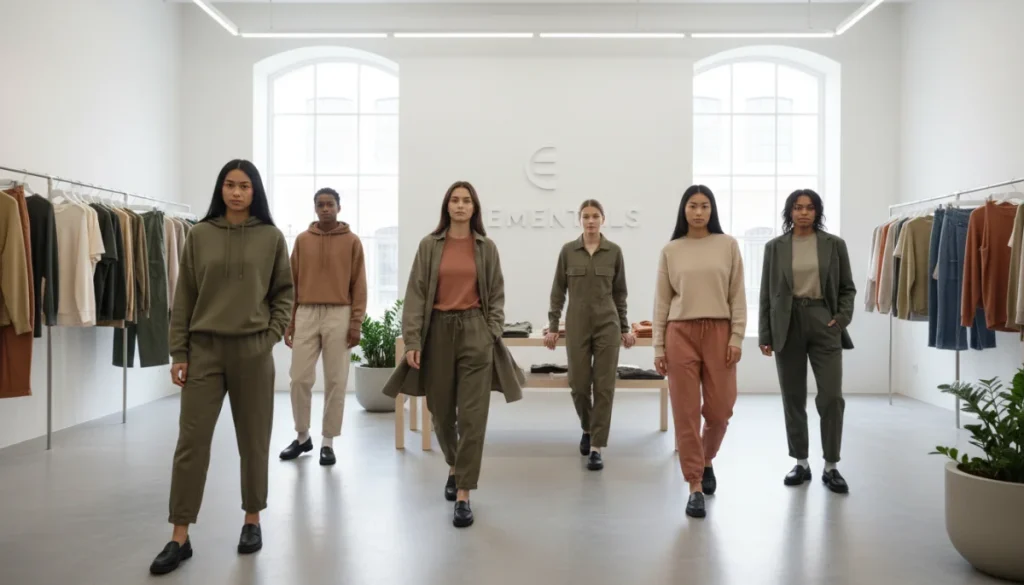
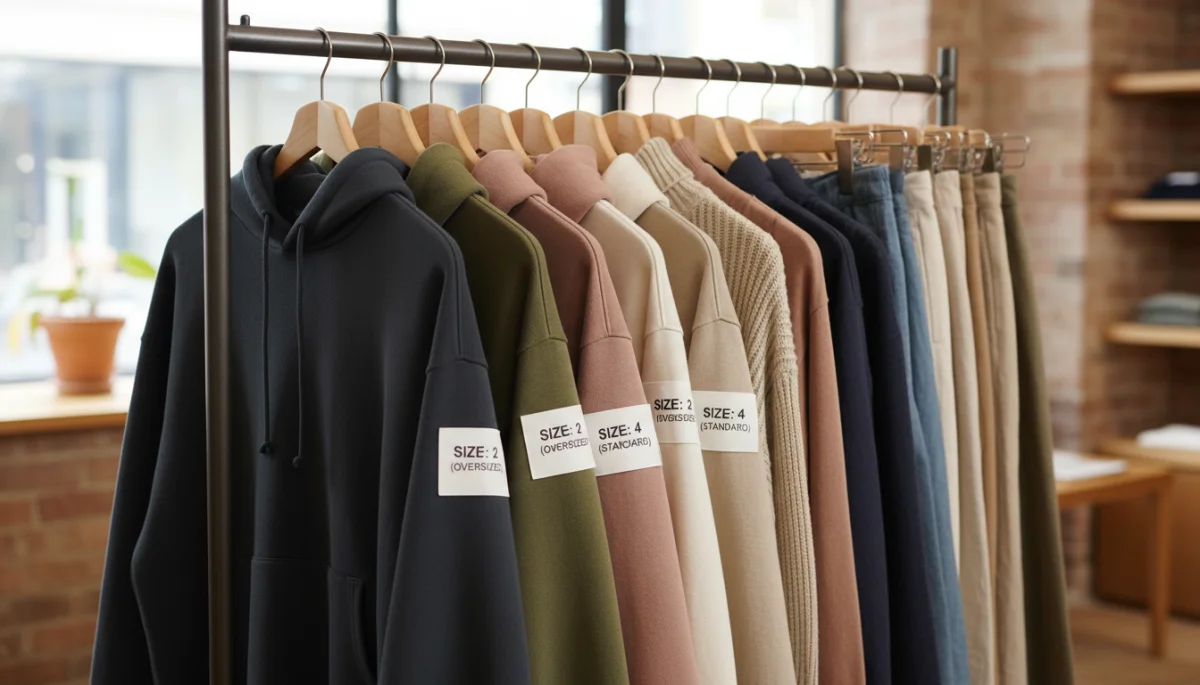
The widespread adoption of gender-neutral fashion is forcing US retailers to fundamentally rethink their traditional business models, from store layouts to marketing strategies. The binary division of ‘men’s’ and ‘women’s’ sections is becoming increasingly obsolete, prompting retailers to experiment with blended departments or entirely gender-agnostic displays. This not only creates a more welcoming and inclusive shopping experience for all consumers but also optimizes space and inventory management.
Marketing campaigns are also evolving to reflect this shift. Brands are moving away from gender-stereotyped advertising, instead featuring diverse models and narratives that emphasize versatility, comfort, and individual style. The focus is less on who the clothing is ‘for’ and more on how it makes the wearer feel and express themselves. This nuanced approach requires a deeper understanding of consumer psychology and a commitment to authentic representation, moving beyond tokenism to genuine inclusivity. Retailers who successfully adapt to these changes will be well-positioned to capture a larger share of the evolving market.
Merchandising and Visual Presentation
The physical retail space is a critical touchpoint. How clothing is presented can either reinforce or dismantle traditional gender norms.
- Unified Sections: Creating cohesive collections that appeal to all.
- Size-Inclusive Displays: Focusing on fit and measurements over gendered sizing.
- Styling Versatility: Showcasing garments styled on various body types and identities.
This not only enhances the shopping experience but also communicates a brand’s commitment to inclusivity, fostering loyalty among a diverse customer base. The visual language of retail is becoming as important as the garments themselves.
Design Innovations and Material Choices
The shift towards gender-neutral fashion is also spurring significant innovation in clothing design and material science. Designers are moving beyond the traditional silhouettes and cuts associated with specific genders, experimenting with looser fits, adaptable closures, and modular designs that can be customized to individual preferences. The emphasis is on creating garments that drape well on various body types and offer functional versatility, making them suitable for a broader range of wearers and occasions.
Material choices are also evolving, with a greater focus on sustainable, durable, and comfortable fabrics. Organic cottons, recycled polyesters, and innovative blends that offer stretch and breathability are becoming increasingly popular. These material choices not only align with the ethical values of many gender-neutral consumers but also contribute to the longevity and practicality of the garments. The fusion of innovative design and responsible material sourcing is central to the appeal and future success of gender-neutral fashion 2026.
Key Design Principles
Designing for a gender-agnostic audience requires a thoughtful approach that prioritizes universal appeal and functionality.
- Relaxed Silhouettes: Avoiding overly tailored or restrictive cuts.
- Neutral Color Palettes: Utilizing colors that resonate broadly, often earthy tones or classic shades.
- Functional Details: Pockets, adjustable waistbands, and versatile layering options.
- Quality Craftsmanship: Ensuring durability and longevity, appealing to conscious consumers.
These principles ensure that pieces are not only inclusive but also practical and high-quality, representing a significant value proposition for consumers.
Challenges and Opportunities for Brands and Retailers
While the rise of gender-neutral fashion presents immense opportunities, it also comes with its share of challenges for brands and retailers. One of the primary hurdles is navigating the transition from deeply entrenched gendered marketing and merchandising strategies. This requires significant investment in re-educating staff, redesigning store layouts, and overhauling marketing campaigns to authentically embrace inclusivity.
However, the opportunities far outweigh the challenges for those willing to adapt. Brands that successfully incorporate gender-neutral principles can tap into a rapidly expanding market segment, fostering greater customer loyalty and enhancing their brand image as forward-thinking and socially responsible. Furthermore, this trend encourages creativity and innovation in design, pushing the boundaries of what fashion can be. The key to success lies in genuine commitment to the philosophy behind gender-neutral fashion, rather than simply treating it as a fleeting trend.
Overcoming Traditional Retail Structures
The shift demands more than just new product lines; it requires a systemic change in how fashion businesses operate.
- Supply Chain Adaptation: Adjusting production to accommodate broader sizing and less gender-specific inventory.
- Staff Training: Educating sales associates on inclusive language and styling.
- Digital Transformation: Ensuring e-commerce platforms offer intuitive, gender-neutral browsing experiences.
Brands that proactively address these structural challenges will gain a competitive edge and build stronger, more resilient businesses for the future.
The Future Landscape: Beyond 2026 and Broad Societal Impact
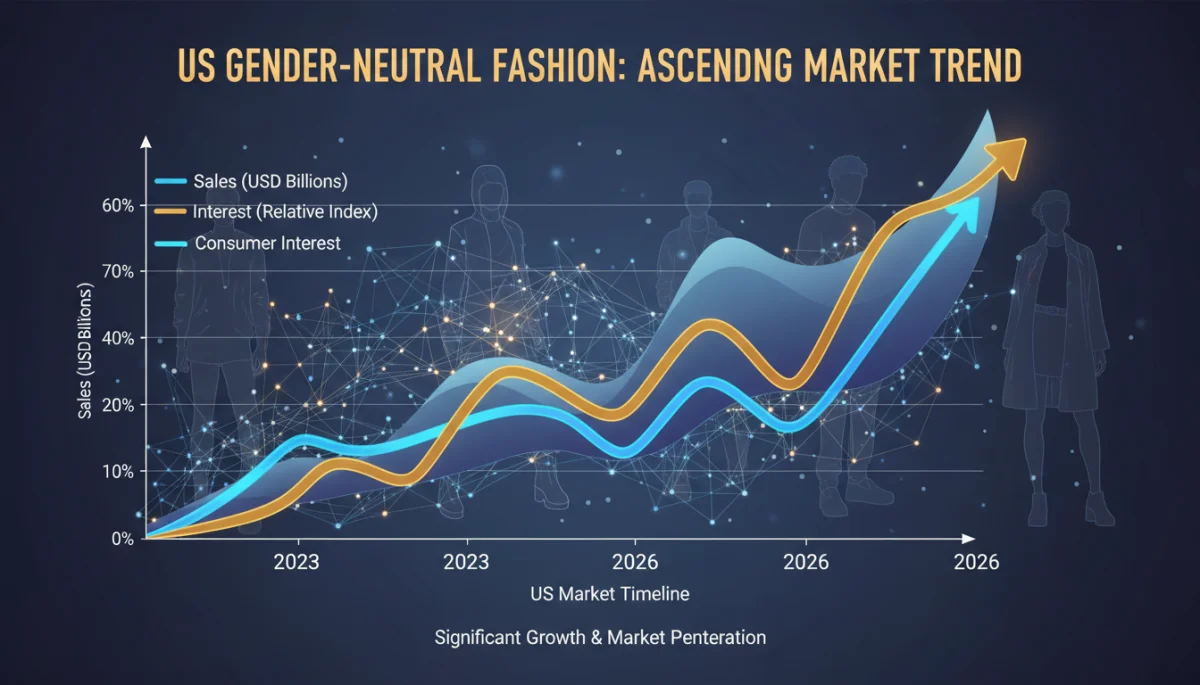
Looking beyond 2026, gender-neutral fashion is poised to become an even more integral part of the fashion landscape, potentially leading to a complete dismantling of gendered clothing categories. This evolution is not merely a stylistic trend; it reflects a deeper societal shift towards greater acceptance of diverse identities and expressions. As younger generations, who are inherently more fluid in their understanding of gender, gain increasing purchasing power, the demand for truly inclusive fashion will only intensify.
The long-term impact extends beyond retail, influencing broader conversations about identity, representation, and equality. Fashion, as a powerful cultural mirror, will continue to play a crucial role in normalizing and celebrating diversity. This sustained momentum will encourage continuous innovation in design, marketing, and retail practices, ultimately creating a more equitable and expressive world through clothing. The future of fashion is undoubtedly inclusive, adaptive, and unbound by traditional constraints, with gender-neutrality at its core.
Societal Ripples and Cultural Shifts
Fashion is a powerful indicator of societal change. The mainstreaming of gender-neutral clothing reflects and reinforces broader cultural shifts.
- Empowerment: Individuals feel more freedom to express their identity.
- Reduced Stereotypes: Less pressure to conform to gendered appearances.
- Educational Influence: Younger generations grow up with more inclusive fashion norms.
- Economic Implications: New market segments and business models emerge.
These ripples create a positive feedback loop, where fashion both responds to and drives cultural evolution, making the impact of gender-neutral clothing far-reaching and transformative.
| Key Aspect | Brief Description |
|---|---|
| Consumer Demand | Driven by Gen Z and Millennials seeking authenticity, inclusivity, and sustainability in clothing choices. |
| Retail Transformation | Shifting from gendered departments to blended layouts and inclusive marketing strategies. |
| Design Innovation | Focus on universal designs, comfortable fits, and sustainable materials for broad appeal. |
| Societal Impact | Contributes to broader conversations about identity, representation, and dismantling gender stereotypes. |
Frequently Asked Questions about Gender-Neutral Fashion
Gender-neutral fashion refers to clothing designed and marketed without specific gender classifications. It focuses on universal appeal, comfortable fits, and versatile styles that can be worn by anyone, promoting inclusivity and individual expression beyond traditional male and female categories.
Its rise is driven by Gen Z and Millennials who prioritize authenticity, inclusivity, and sustainability. Consumers are seeking clothing that aligns with their personal values and offers practical benefits like comfort and versatility, moving away from rigid gender stereotypes.
Retailers are redesigning store layouts, moving away from ‘men’s’ and ‘women’s’ sections towards blended or gender-agnostic displays. Marketing strategies are also shifting to feature diverse models and narratives, emphasizing individual style over gendered advertising.
Design principles include relaxed silhouettes, neutral color palettes, functional details like adjustable waistbands, and quality craftsmanship. The focus is on creating versatile, durable garments that drape well on various body types and offer broad appeal.
Beyond 2026, gender-neutral fashion is expected to further dismantle traditional gendered clothing categories, becoming a fundamental aspect of the industry. It will continue to influence societal conversations about identity and equality, fostering greater acceptance of diverse expressions.
Conclusion
The trajectory of gender-neutral fashion 2026 marks a pivotal moment in the evolution of the US retail and consumer landscape. This movement is far more than a passing trend; it is a profound reflection of changing societal values, driven by generations who champion inclusivity, authenticity, and sustainable practices. As brands and retailers continue to adapt their designs, marketing, and store environments to meet this burgeoning demand, the impact will resonate throughout the industry, fostering a more fluid, expressive, and equitable approach to personal style. The integration of gender-neutral principles signals a future where clothing is designed to empower every individual, transcending traditional boundaries and celebrating the rich tapestry of human identity.
Related Posts: