The Future of Denim: 3 Innovations Hitting US Stores by Fall 2026
By Fall 2026, US stores will feature groundbreaking denim innovations, including advanced sustainable production methods, smart textile integrations for enhanced functionality, and revolutionary comfort-focused fabrics, redefining classic denim for the modern consumer.
Por: Rita Lima em 13 de maio de 2026
Advertisements
By Fall 2026, US stores will feature groundbreaking denim innovations, including advanced sustainable production methods, smart textile integrations for enhanced functionality, and revolutionary comfort-focused fabrics, redefining classic denim for the modern consumer.
Get ready for a denim revolution! The Future of Denim: 3 Innovations Expected to Hit US Stores by Fall 2026 promises to redefine what we expect from our favorite fabric. From eco-conscious manufacturing to smart textiles and unparalleled comfort, the denim landscape is evolving rapidly. What new features will you be looking for in your next pair of jeans?
Advertisements
The Dawn of Sustainable Denim Production
The denim industry has long faced scrutiny for its environmental impact, particularly concerning water usage and chemical waste. However, a significant shift is underway, driven by consumer demand for ethical fashion and technological advancements. By Fall 2026, US stores will showcase denim that’s not only stylish but also radically more sustainable, moving away from traditional, resource-intensive methods.
This new era of denim production focuses on closed-loop systems, innovative dyeing techniques, and the integration of recycled and upcycled materials. The goal is to minimize the ecological footprint at every stage, from fiber sourcing to garment finishing. Brands are investing heavily in research and development to achieve these ambitious sustainability targets, knowing that environmental responsibility is no longer just a trend, but a core expectation.
Revolutionary Dyeing Technologies
Traditional indigo dyeing is notoriously water-intensive and often involves harmful chemicals. The innovations coming to the forefront address these issues head-on, offering viable, eco-friendly alternatives that maintain the beloved aesthetic of denim.
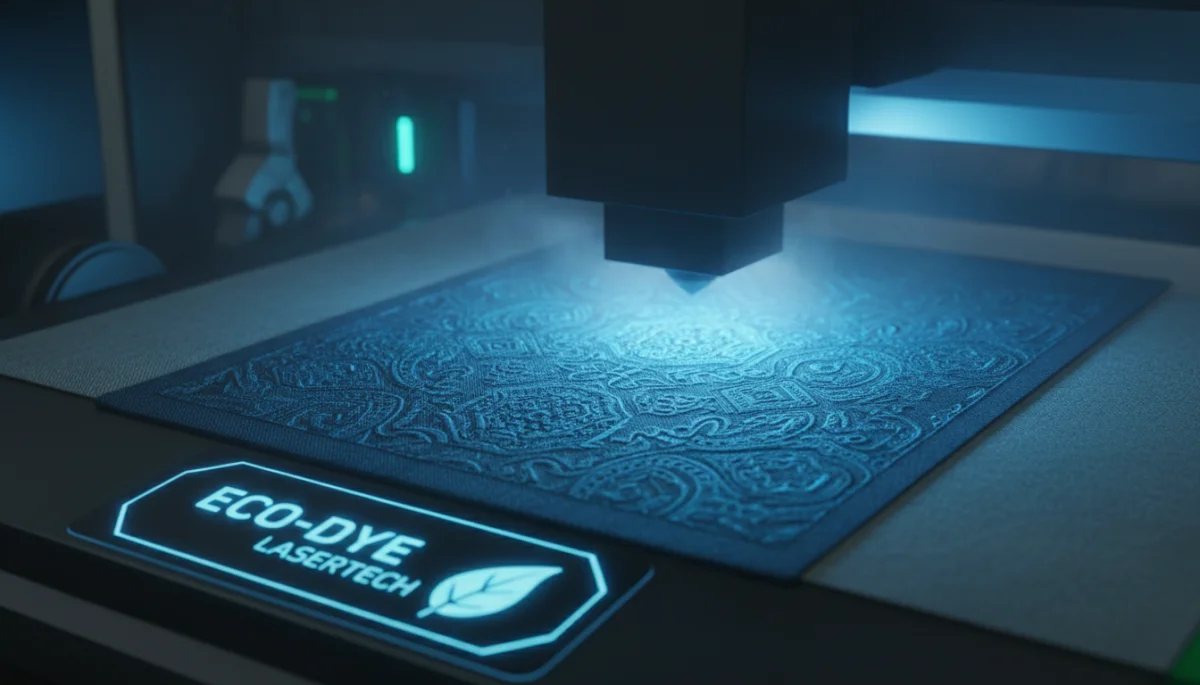
Waterless Dyeing: Techniques like ozone dyeing and laser finishing significantly reduce water consumption, often by over 90% compared to conventional methods.
Botanical Dyes: Utilizing natural pigments derived from plants, these dyes offer unique color variations while eliminating synthetic chemicals.
Recycled Indigo: New processes allow for the recovery and reuse of indigo particles from wastewater, closing the loop on a critical resource.
These advancements mean that your next pair of jeans could be colored with minimal environmental impact, without compromising on depth or durability. The focus is on creating vibrant, long-lasting colors using methods that respect our planet’s finite resources.
Beyond dyeing, the entire supply chain is undergoing a transformation. From organic cotton cultivation that avoids pesticides and synthetic fertilizers to the use of renewable energy in manufacturing facilities, sustainability is becoming embedded in the very fabric of denim production. Consumers will be able to trace the journey of their denim, gaining transparency and confidence in their purchases. This holistic approach ensures that every step, from farm to finished product, aligns with environmentally conscious principles.
In essence, the sustainable denim revolution is about re-imagining how we create and consume denim. It’s a commitment to preserving natural resources, reducing pollution, and fostering a more ethical fashion industry. By Fall 2026, these eco-friendly options will be mainstream, offering consumers guilt-free choices that look good and do good.
Smart Textiles: Denim Gets Tech-Savvy
Imagine denim that does more than just look good. By Fall 2026, US stores will introduce denim integrated with smart textile technology, transforming our jeans and jackets into functional, interactive garments. This innovation goes beyond mere aesthetics, embedding practical features directly into the fabric, enhancing convenience and connectivity in everyday life.
The integration of smart textiles in denim is still in its nascent stages, but rapid advancements in miniaturized electronics and conductive fibers are making it a reality. These innovations promise to bring a new level of utility to our casual wear, from personal health monitoring to seamless device interaction. The goal is to create clothing that is intuitive, responsive, and effortlessly merges with our digital lives.
Connectivity and Comfort Combined
One of the most anticipated aspects of smart denim is its potential for seamless connectivity. Think about jeans that can charge your phone, track your steps, or even adjust their temperature. These functionalities are no longer science fiction but are becoming achievable through clever engineering.
Integrated Charging: Denim with embedded flexible solar panels or inductive charging pads could power small devices on the go.
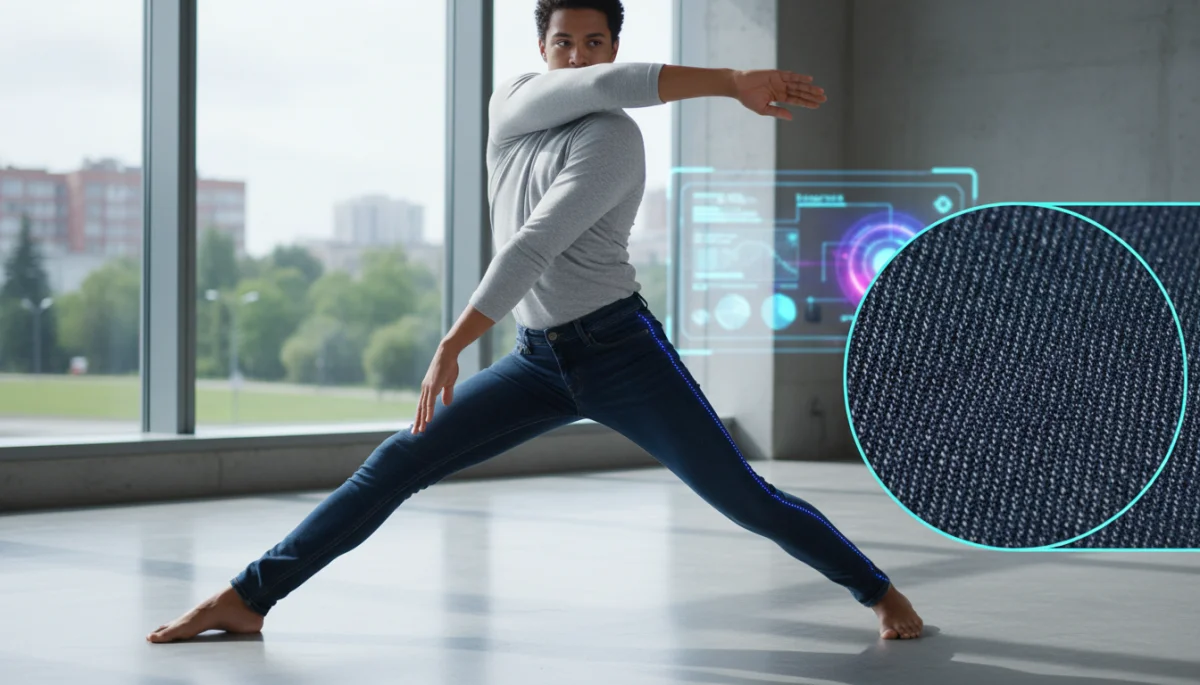
Health Monitoring: Conductive fibers woven into the fabric might monitor heart rate, activity levels, or even posture, sending data to your smartphone.
Temperature Regulation: Fabrics incorporating phase-change materials or tiny heating/cooling elements could offer personalized thermal comfort in varying climates.
These developments aim to make our clothing an extension of our smart devices, reducing the need for bulky accessories and streamlining our daily routines. The technology is designed to be discreet, durable, and fully washable, ensuring that the denim retains its classic look and feel.
The challenge lies in making these technologies robust enough to withstand the rigors of everyday wear and washing, while remaining comfortable and aesthetically pleasing. Manufacturers are working closely with tech companies to develop durable, flexible electronic components that can be seamlessly integrated into denim without compromising its integrity. Furthermore, ensuring data privacy and security will be paramount as these smart garments become more prevalent. Consumers will be looking for assurances that their personal data is protected when wearing connected clothing.
Ultimately, smart denim represents a fusion of fashion and technology. It’s about creating garments that not only serve a practical purpose but also offer an enhanced, personalized experience. As these innovations become more refined and accessible, they will undoubtedly change how we interact with our clothing, making our denim not just a style statement, but a smart companion.
The Evolution of Comfort: Beyond Stretch Denim
While stretch denim revolutionized comfort decades ago, the next wave of innovation is set to push boundaries even further. By Fall 2026, US stores will feature denim that redefines comfort, offering unprecedented softness, flexibility, and breathability. These advancements stem from new fiber blends, weaving techniques, and finishing processes, creating garments that move with the wearer like a second skin.
The demand for comfortable clothing has steadily increased, especially as lifestyles become more active and casual. Consumers no longer want to sacrifice comfort for style; they expect both. The denim industry is responding by developing fabrics that maintain the classic denim aesthetic while delivering an experience akin to wearing athletic wear. This evolution is about creating a truly versatile garment that can transition seamlessly from a relaxed day at home to a busy day out.
Advanced Fiber Blends
Traditional denim, made from 100% cotton, can be stiff and restrictive. Modern innovations are introducing new fibers that enhance performance while preserving the authentic look and feel of denim.
Modal and Lyocell Blends: These regenerated cellulose fibers offer exceptional softness, drape, and breathability, making denim feel incredibly luxurious against the skin.
Polyester and Elastane Evolution: While already common, new generations of these synthetic fibers provide superior stretch retention, preventing bagging and ensuring long-lasting shape.
Hemp and Tencel: Sustainable and naturally soft, these fibers are being blended with cotton to create durable yet incredibly comfortable denim with a lower environmental impact.
These sophisticated blends result in denim that is not only soft and flexible but also often more resilient to wrinkles and fading. This means your favorite pair of jeans will not only feel great but also look newer for longer, reducing the need for frequent replacements and extending the garment’s lifecycle.
The focus on comfort also extends to the fit and construction of the garments. Innovations in pattern cutting and seam placement are minimizing chafing and maximizing freedom of movement. Lighter-weight denim fabrics, designed for warmer climates, are also gaining traction, offering breathability without compromising on the signature denim look. This holistic approach ensures that every aspect of the denim garment contributes to an unparalleled comfort experience, setting a new standard for casual wear. The future of denim comfort is about creating a truly adaptive garment that responds to the wearer’s movements and environmental conditions.
In conclusion, the next generation of denim comfort is about elevating the everyday experience. It’s about creating garments that are so comfortable, you forget you’re wearing them, yet so stylish, you never want to take them off. By Fall 2026, these advanced comfort features will be a standard expectation for denim consumers, transforming how we perceive and interact with this iconic fabric.
The Intersection of Technology and Tradition in Denim
As we look towards Fall 2026, the future of denim isn’t just about isolated innovations; it’s about the sophisticated intersection of cutting-edge technology and time-honored tradition. Manufacturers are skillfully blending new materials and processes with classic denim aesthetics, ensuring that while the fabric evolves, its iconic appeal remains intact. This delicate balance is key to creating denim that is both forward-thinking and universally beloved.
The challenge lies in introducing revolutionary changes without alienating consumers who cherish denim’s heritage. Brands are finding creative ways to incorporate sustainability, smart features, and enhanced comfort in a manner that feels natural and authentic. This involves careful material selection, subtle integration of technology, and a deep understanding of consumer preferences, ensuring that innovation enhances rather than detracts from the denim experience.
Preserving Authenticity with Innovation
The essence of denim lies in its rugged durability and versatile style. Future innovations are designed to augment these qualities, not replace them. For instance, sustainable dyeing methods are being perfected to replicate the rich, varied hues of traditional indigo, while smart features are being made invisible to the naked eye.
Vintage Washes, Modern Methods: Achieving distressed looks and unique fades through laser technology and ozone washing, eliminating harsh chemicals and excessive water.
Invisible Tech: Embedding micro-sensors and conductive threads so seamlessly that the denim feels and looks like a traditional garment.
Durable Softness: Developing new blends that offer superior comfort without sacrificing the characteristic strength and longevity of denim.
This approach ensures that the denim of tomorrow will still possess the soul of the denim we know and love, but with added benefits that align with modern values and lifestyles. It’s about respecting the past while boldly stepping into the future, offering the best of both worlds to the discerning consumer.
Furthermore, the collaboration between textile engineers, fashion designers, and tech innovators is fostering an environment where interdisciplinary solutions thrive. This synergy allows for the development of products that are not only technologically advanced but also aesthetically pleasing and commercially viable. The focus is on creating a holistic product that appeals to a broad range of consumers, from the fashion-forward to the eco-conscious. This integrated development process is crucial for bringing these complex innovations successfully to market and ensuring their widespread adoption.
In summary, the intersection of technology and tradition in denim is creating a new paradigm for the industry. It’s a future where innovation serves to enhance and preserve the timeless appeal of denim, making it more relevant and desirable than ever before. By Fall 2026, consumers will experience denim that is a testament to this harmonious blend, offering a truly elevated wearing experience.
The Impact on Consumer Choices and Retail Landscape
The influx of these three major innovations—sustainable production, smart textiles, and enhanced comfort—will significantly reshape consumer choices and the retail landscape for denim by Fall 2026. As consumers become more informed and ethically conscious, their purchasing decisions will increasingly reflect these values. Retailers, in turn, will need to adapt their strategies to highlight these new features and educate their customer base on the benefits of next-generation denim.
The market will likely see a segmentation where premium products emphasize technological integration and advanced sustainability, while more accessible lines focus on core comfort and improved eco-friendly processes. This diversification will offer a wider range of options, catering to different consumer priorities and budgets. The key for brands will be clear communication about what makes their denim innovative and why it matters.
Marketing New Denim Narratives
Marketing will play a crucial role in conveying the value of these innovations. Beyond traditional style and fit, brands will need to tell compelling stories about the environmental impact, functional benefits, and superior comfort of their new denim lines. This shift in narrative will require retailers to train their staff and curate their store environments to effectively showcase these advancements.
Transparency in Sourcing: Brands will highlight their sustainable supply chains, from organic cotton farms to water-saving factories, building trust with eco-conscious consumers.
Interactive Demonstrations: In-store tech displays or augmented reality apps could showcase the smart features embedded in denim, explaining their functionality in an engaging way.
Comfort Testing Zones: Retail spaces might include areas where customers can experience the enhanced flexibility and softness of new denim blends through movement and tactile interaction.
These new marketing approaches will help consumers understand the tangible benefits of investing in innovative denim, moving beyond mere fashion statements to embrace garments that offer real-world value and align with their personal ethics. The storytelling will shift from purely aesthetic appeal to a blend of style, function, and responsibility, creating a richer brand experience.
The retail environment itself will also evolve, with a greater emphasis on experiential shopping. Pop-up shops focusing on sustainable practices, interactive exhibits demonstrating smart denim capabilities, and personalized fitting services highlighting comfort innovations will become more common. Online retailers will need to enhance their digital presence with detailed product information, virtual try-on tools, and customer reviews that specifically address these new features. The goal is to create an immersive and informative shopping journey, whether in-store or online, that effectively communicates the value proposition of these groundbreaking denim products.
Ultimately, the impact of these innovations on consumer choices will be profound. Shoppers will increasingly prioritize denim that offers a blend of ethical production, functional technology, and unmatched comfort. Retailers who successfully adapt to these changing demands, by effectively communicating and delivering on these new promises, will be well-positioned to thrive in the evolving denim market of Fall 2026 and beyond.
Challenges and Opportunities for Denim Brands
While the future of denim is bright with innovation, brands face significant challenges alongside immense opportunities as they prepare for Fall 2026. The shift towards sustainable practices, the integration of smart technology, and the pursuit of ultimate comfort require substantial investment in research, development, and infrastructure. Brands must navigate complex supply chain transformations, educate consumers, and compete in an increasingly crowded and conscious market.
However, these challenges also present unique opportunities for brands to differentiate themselves, build stronger customer loyalty, and tap into new market segments. Those that successfully embrace these innovations will not only survive but thrive, setting new industry standards and redefining the value proposition of denim. The key will be strategic foresight and a willingness to adapt and invest in the future.
Navigating the Innovation Landscape
Implementing these innovations is not a simple task. It requires overcoming technological hurdles, managing production costs, and ensuring that new processes are scalable and efficient. Brands must also contend with the complexities of intellectual property, ethical considerations, and evolving regulatory landscapes, particularly concerning data privacy for smart textiles and environmental standards for sustainable production.
Investment in R&D: Significant capital is needed to develop and integrate new dyeing methods, fiber blends, and electronic components into denim.
Supply Chain Overhaul: Reworking existing supply chains to accommodate sustainable materials and ethical manufacturing practices demands meticulous planning and execution.
Consumer Education: Clearly communicating the benefits and value of these innovations to a diverse consumer base requires effective marketing and transparent information sharing.
Brands that can successfully navigate these complexities will emerge as leaders, showcasing not just innovative products but also a commitment to responsible business practices. This includes forming strategic partnerships with tech companies, textile innovators, and sustainability experts to leverage specialized knowledge and resources. Collaboration will be a key driver of success in this rapidly evolving landscape, enabling brands to pool resources and accelerate the development and adoption of new technologies. Furthermore, establishing robust quality control measures for new materials and integrated technologies will be vital to maintaining consumer trust and ensuring product longevity.
The opportunities, however, are substantial. Brands that lead in sustainable denim can capture a growing market of environmentally conscious consumers. Those that introduce compelling smart features can appeal to tech-savvy individuals looking for functional apparel. And brands that perfect comfort will win over a broad audience seeking everyday luxury. The ability to combine two or even all three of these innovations into a cohesive product line will create a powerful competitive advantage. This holistic approach to innovation will allow brands to appeal to a wider demographic and solidify their position as forward-thinking leaders in the fashion industry.
In conclusion, the journey to Fall 2026 for denim brands is one of both challenge and immense opportunity. Success will depend on a brand’s ability to strategically invest, innovate responsibly, and effectively communicate its unique value proposition to a discerning global market. The brands that rise to this occasion will shape the future of denim for years to come.
Consumer Adoption and Market Dynamics by 2026
The widespread adoption of these denim innovations by Fall 2026 will largely depend on a confluence of factors, including consumer acceptance, price points, and effective market penetration strategies. While the allure of sustainable, smart, and ultra-comfortable denim is strong, the transition from niche products to mainstream staples requires overcoming initial barriers and demonstrating tangible value to the everyday shopper. The market dynamics will be influenced by how quickly these technologies can be scaled and made affordable.
Early adopters, typically fashion-forward and environmentally conscious consumers, will drive initial demand, providing crucial feedback for brands. As production efficiencies improve and costs decrease, these innovations will become more accessible to a broader audience. The interplay between brand marketing, influencer endorsement, and word-of-mouth will be critical in accelerating this adoption curve, making these advanced denim options a standard expectation rather than a luxury.
Driving Mainstream Acceptance
For these innovations to truly hit US stores by Fall 2026 and achieve widespread success, several elements must align. Beyond the technological advancements themselves, the perceived value and ease of integration into daily life will dictate their market performance. Consumers need to understand not just what these features are, but how they enhance their lives.
Affordability: As production scales, prices must become competitive with traditional denim to attract a mass market.
Ease of Use: Smart features must be intuitive and seamlessly integrate with existing tech ecosystems without added complexity.
Durability and Maintenance: Consumers expect denim to be robust and easy to care for; new innovations must meet or exceed these standards, especially regarding washability of smart textiles.
Furthermore, the retail environment will play a pivotal role. Accessible displays, knowledgeable sales associates, and clear product labeling will help demystify new technologies and highlight sustainable attributes. Online platforms will need robust filtering options and detailed descriptions to guide consumer choices, ensuring that shoppers can easily find denim that meets their specific needs for sustainability, smart features, or comfort. The overall shopping experience must be frictionless and informative, empowering consumers to make confident purchasing decisions.
The market dynamics will also be shaped by competitive pressures. As more brands enter the innovative denim space, a healthy competition will drive further advancements, better quality, and potentially lower prices. This competitive landscape will ultimately benefit the consumer, offering a wider array of high-quality, innovative denim products. Brands that are agile and responsive to market feedback will be able to refine their offerings and capture significant market share. The ability to quickly iterate and improve based on real-world usage will be a key differentiator.
In conclusion, while the innovations themselves are exciting, their true impact will be realized through successful consumer adoption. By Fall 2026, the US market will likely see a significant shift in what consumers expect from their denim, with sustainability, smart functionality, and superior comfort becoming key drivers of purchasing decisions. The brands that successfully bridge the gap between innovation and mainstream appeal will lead this exciting new chapter for denim.
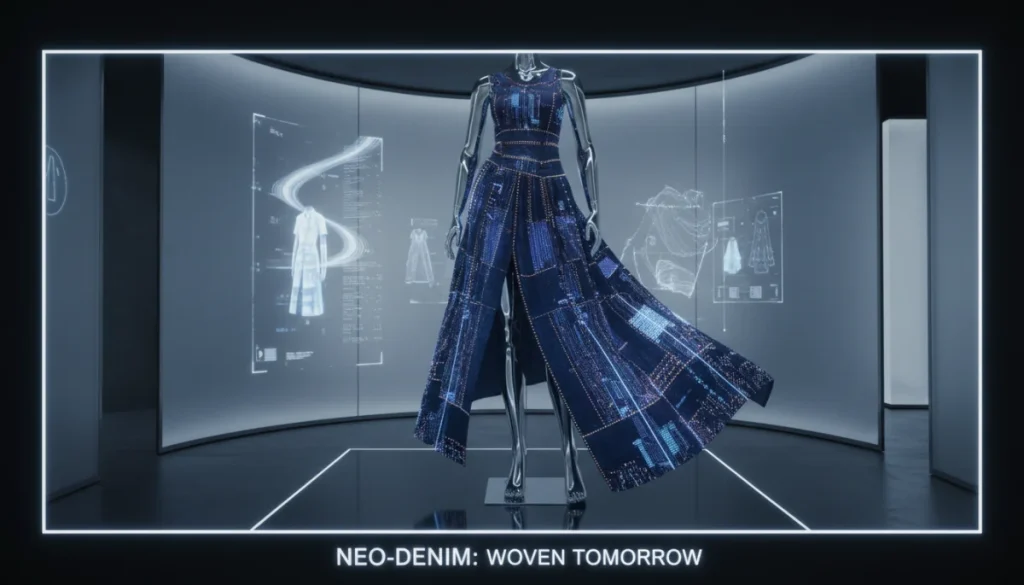
The Future Aesthetic: Style Meets Substance
The ultimate test for these denim innovations by Fall 2026 will be their ability to seamlessly merge cutting-edge substance with desirable style. Consumers are not just looking for functional or sustainable denim; they want garments that look great and feel authentic. The future aesthetic of denim will be characterized by a harmonious blend of traditional appeal and modern enhancements, where innovation elevates style rather than compromises it.
Designers are already exploring how to incorporate these new technologies and materials in ways that create fresh, appealing looks. This means working with the inherent qualities of advanced fabrics to create new silhouettes, textures, and finishes that are both fashionable and forward-thinking. The goal is to ensure that the denim of tomorrow is not only better for the planet and more functional but also undeniably stylish, continuing denim’s legacy as a fashion icon.
Designing with Innovation in Mind
The design process for future denim will be inherently collaborative, involving not just fashion designers but also textile engineers, material scientists, and even tech developers. This interdisciplinary approach allows for a holistic design that considers both the aesthetic and functional aspects from the outset.
New Textures and Drapes: Advanced fiber blends will allow for softer, more fluid drapes and unique surface textures, opening up new design possibilities beyond traditional rigid denim.
Versatile Silhouettes: Enhanced stretch and comfort will facilitate a wider range of silhouettes, from tailored and structured to relaxed and flowing, suitable for diverse occasions.
Subtle Integration: Smart features will be integrated discreetly, maintaining a clean aesthetic. Think invisible charging pockets or embedded sensors that don’t alter the garment’s look.
This evolving aesthetic ensures that innovation doesn’t just happen behind the scenes; it translates into garments that are visually appealing and reflect contemporary fashion trends. The future of denim will be about refined simplicity, where the advanced functionalities are a natural extension of the garment’s design, rather than an added gimmick. This thoughtful integration will be crucial for widespread acceptance and sustained appeal among fashion-conscious consumers who value both form and function.
Furthermore, the ability to create customized denim will become more prevalent. With advancements in digital design and on-demand manufacturing, consumers might be able to select specific sustainable finishes, choose unique smart features, or even personalize the fit and feel of their denim. This level of customization will empower individuals to create denim pieces that truly reflect their personal style and needs, further blurring the lines between mass production and bespoke fashion. The emphasis will be on creating unique, high-quality garments that align with individual preferences and values, offering a truly personalized denim experience.
In essence, the future aesthetic of denim is about pushing creative boundaries while staying true to its timeless appeal. By Fall 2026, US stores will offer denim that embodies this perfect synergy of style and substance, solidifying its place as a cornerstone of modern fashion. It will be denim that not only looks good but also feels good, does good, and performs intelligently, truly representing a new era for this beloved fabric.
Denim with embedded tech for charging, health monitoring, and temperature regulation.
Enhanced Comfort Fabrics
New fiber blends (Modal, Lyocell, Hemp) offering superior softness, flexibility, and breathability.
Aesthetic & Design Evolution
Combining traditional denim looks with modern features, creating stylish and functional garments.
Frequently asked questions about denim innovations
What are the primary sustainable innovations in denim for Fall 2026?▼
The primary sustainable innovations include waterless dyeing methods like ozone and laser technology, the use of botanical and recycled indigo dyes, and the integration of organic and upcycled fibers. These aim to drastically reduce water consumption, chemical use, and waste in denim production, making it more eco-friendly.
How will smart textiles change denim functionality?▼
Smart textiles will embed technology directly into denim, offering functionalities like device charging, health monitoring (e.g., heart rate, activity levels), and temperature regulation. These features will be discreet, durable, and washable, transforming denim into an interactive and convenient garment for daily life by Fall 2026.
What new materials will enhance denim comfort?▼
Comfort will be enhanced by advanced fiber blends incorporating Modal, Lyocell, and Tencel for superior softness and drape, alongside improved polyester and elastane for lasting stretch and shape retention. These materials will make denim feel more like athletic wear, offering unprecedented flexibility and breathability.
Will innovative denim be more expensive for consumers?▼
Initially, some innovative denim with advanced features might carry a higher price tag due to research and development costs. However, as production scales and technologies become more efficient, prices are expected to become more competitive. The long-term benefits of durability and sustainability may also offer greater value.
How will brands ensure the durability and washability of smart denim?▼
Brands are collaborating with tech companies to develop miniaturized, flexible, and robust electronic components that can withstand regular wear and washing cycles. Rigorous testing and certification processes will be in place to ensure that smart denim maintains its functionality and integrity over time, offering both innovation and practicality.
Conclusion
The landscape of denim is on the cusp of an extraordinary transformation, with The Future of Denim: 3 Innovations Expected to Hit US Stores by Fall 2026 promising a blend of sustainability, technology, and comfort never before seen. From eco-conscious manufacturing processes that drastically reduce environmental impact to smart textiles that integrate seamlessly into our daily lives, and advanced fiber blends offering unparalleled comfort, denim is evolving to meet the demands of the modern consumer. This exciting evolution signifies a commitment from the industry to not only produce stylish garments but also to do so responsibly and intelligently. As these innovations become mainstream, they will redefine our expectations of denim, making it a more versatile, sustainable, and integral part of our wardrobes. Get ready to experience denim reimagined.
I'm a journalist with a passion for creating engaging content. My goal is to empower readers with the knowledge they need to make informed decisions and achieve their goals.