Storytelling in Brand Identity: 6 Cultural Narratives for 2026 America
Advertisements
Effectively leveraging storytelling in brand identity is crucial for connecting with American consumers in 2026, as it taps into deeply rooted cultural narratives that foster authenticity and resonance.
In an increasingly crowded marketplace, simply having a great product or service is no longer enough. To truly capture hearts and minds in 2026 America, brands must master the power of storytelling in brand identity, weaving narratives that resonate deeply with cultural currents and consumer aspirations. This article explores six pivotal cultural narratives shaping how brands connect with audiences today and into the near future.
Advertisements
The Resurgence of Localism and Community
As global supply chains faced unprecedented challenges and digital connections became ubiquitous, there’s been a noticeable shift back towards valuing local businesses, community ties, and authentic regional experiences. Consumers are increasingly seeking brands that not only understand but actively contribute to their local ecosystems.
This narrative emphasizes authenticity, proximity, and shared values within a defined geographic or interest-based community. Brands that successfully tell stories of their local roots, their commitment to neighborhood betterment, or their role in fostering community spirit are building powerful, loyal followings. It’s about transcending mere transactions and becoming an integral part of people’s lives at a local level.
Embracing Hyperlocal Connections
For brands, this means moving beyond generic marketing to truly understand and cater to specific local nuances. This could involve sourcing materials locally, employing local talent, or engaging in community-led initiatives that reflect genuine commitment.
- Supporting local producers and artisans.
- Hosting community events and workshops.
- Showcasing local heroes and stories in marketing.
- Tailoring products or services to regional preferences.
The storytelling here is less about grand, sweeping statements and more about intimate, relatable experiences. It’s the story of the neighborhood coffee shop that knows your order, the small-batch brewery that uses local hops, or the apparel brand that celebrates regional landscapes. These narratives build trust and a sense of shared identity, making consumers feel like they are part of something bigger, yet intimately familiar.
From Global to Glocal
Even large national or international brands can tap into this narrative by adopting a ‘glocal’ approach, maintaining their global presence while deeply embedding themselves in local cultures. This requires decentralizing some marketing efforts and empowering local teams to craft narratives that speak directly to their specific audiences. The challenge is to maintain brand consistency while allowing for local flexibility, ensuring that the brand’s core values are interpreted through a local lens. This balance is key to avoiding tokenism and achieving genuine resonance.
Ultimately, the resurgence of localism and community is a powerful call for brands to be more human, more connected, and more responsible within the places they operate. It’s a narrative that celebrates the unique tapestry of American life, one community at a time.
Sustainability as a Core Brand Ethos
Environmental consciousness has moved from a niche concern to a mainstream expectation. In 2026, consumers, particularly younger demographics, are not just interested in sustainable products; they demand brands whose entire operation reflects a deep-seated commitment to environmental and social responsibility. This is more than just a marketing claim; it’s a fundamental aspect of brand identity.
Storytelling around sustainability must be transparent, verifiable, and integrated into every facet of the brand’s existence. It’s about the journey, the challenges, and the continuous effort towards a better future, not just a polished endpoint. Consumers are savvy and can quickly detect ‘greenwashing,’ making genuine commitment paramount.
Transparent Supply Chains
One of the most impactful ways to tell a sustainability story is through complete transparency in the supply chain. Brands that can show where their materials come from, how they are produced, and under what conditions, build immense trust. This narrative often involves tracing ingredients or components back to their origins, highlighting ethical labor practices, and minimizing environmental impact at every stage.
- Showcasing eco-friendly sourcing methods.
- Detailing carbon footprint reduction initiatives.
- Highlighting fair trade practices.
- Explaining waste reduction and recycling programs.
The narrative isn’t just about the end product; it’s about the entire lifecycle. From the farm to the factory to the consumer’s hands, every step offers an opportunity to demonstrate dedication to sustainability. Brands that share these stories openly, even acknowledging imperfections and ongoing efforts, are seen as more authentic and trustworthy.
Beyond Environmentalism: Social Sustainability
Sustainability also encompasses social responsibility. Brands are increasingly expected to contribute positively to society, addressing issues like fair wages, diversity, equity, and inclusion. This narrative extends beyond ecological concerns to human well-being and social justice. Stories that highlight these efforts, showing how a brand supports its employees, its community, or broader social causes, resonate deeply.
For instance, a brand might share stories about its employee development programs, its initiatives to support marginalized communities, or its advocacy for ethical labor standards globally. These narratives reinforce that the brand’s commitment to a better world is holistic, encompassing both people and the planet. This integrated approach to sustainability forms a powerful, compelling brand narrative that speaks to a consumer base eager for purpose-driven purchases.
The Quest for Authentic Self-Expression
In a world saturated with curated online personas, there’s a growing desire for authenticity and genuine self-expression. Consumers are tired of unattainable ideals and are seeking brands that celebrate individuality, embrace imperfections, and encourage people to be their true selves. This cultural narrative is about liberation from societal pressures and the joy of personal discovery.
Brands tapping into this trend are moving away from prescriptive messaging and towards empowering their audience. Their storytelling focuses on providing tools, platforms, or inspiration for individuals to explore and express their unique identities. It’s about fostering a sense of belonging for those who defy conventional norms and celebrating the rich tapestry of human experience.
Celebrating Diverse Identities
This narrative thrives on inclusivity. Brands that champion diversity in all its forms – race, gender, sexuality, body type, ability, and more – are aligning with a powerful cultural shift. Their storytelling features real people with varied backgrounds, sharing their journeys and showing how the brand supports their authentic self-expression. It’s about representation that feels genuine, not performative.
- Showcasing a wide range of models and voices.
- Collaborating with diverse creators and influencers.
- Designing products that cater to varied needs and preferences.
- Promoting messages of self-love and acceptance.
The stories are often personal and vulnerable, creating an emotional connection with consumers who see themselves reflected in the brand’s narrative. This approach fosters a sense of community among those who feel seen and understood, building loyalty that goes far beyond product features. It’s a powerful testament to the idea that a brand can be a supportive ally in one’s personal journey.

Empowering Creative Freedom
Beyond diverse representation, this narrative also emphasizes empowering creative freedom. Brands can position themselves as enablers of their customers’ passions and talents. This could manifest as providing customizable products, offering platforms for user-generated content, or sponsoring creative projects that align with the brand’s values.
For example, a tech brand might tell stories of how its tools help artists bring their visions to life, or a fashion brand might highlight customers who style their products in unique ways. By celebrating the creativity and individuality of their audience, brands become more than just providers of goods; they become partners in their customers’ authentic self-expression. This deepens engagement and fosters a sense of co-creation, where the brand’s identity is shaped by its community.
The Pursuit of Well-being and Mental Health
The conversation around mental health and holistic well-being has gained significant traction, moving from the periphery to a central focus in American culture. Consumers are increasingly prioritizing their mental, emotional, and physical health, seeking brands that genuinely support this pursuit. This cultural narrative is about fostering inner peace, resilience, and a balanced lifestyle.
Brands that align with this narrative offer more than just products; they offer solutions, support, and a philosophy that contributes to overall well-being. Their storytelling focuses on empathy, understanding, and practical ways to navigate the stresses of modern life. It’s about providing comfort, encouragement, and a sense of calm in a chaotic world.
Mindfulness and Self-Care
The emphasis on mindfulness and self-care presents a significant opportunity for brands. This can involve products or services that encourage moments of pause, relaxation, or introspection. Storytelling in this realm often highlights the benefits of slowing down, disconnecting from digital overload, and prioritizing personal rituals.
- Promoting products that enhance relaxation (e.g., aromatherapy, calming teas).
- Offering digital detox challenges or guided meditation content.
- Highlighting the calming benefits of nature and outdoor activities.
- Sharing tips and resources for stress management.
Brands can tell stories of individuals finding peace through their offerings, or how their mission is to reduce daily anxieties. This is particularly relevant for industries like wellness, beauty, and even technology, where products can be designed to support mindful usage rather than constant engagement. The narrative is one of nurturing oneself, both physically and mentally, with the brand as a gentle guide.
Holistic Health Integration
Beyond specific self-care products, brands are increasingly integrating holistic health into their broader identity. This means considering the mental and emotional impact of their services, their workplace culture, and their overall brand messaging. A food brand, for example, might not only focus on nutritional value but also on the joy of shared meals and the emotional comfort food can provide.
Similarly, a financial institution might offer resources for financial wellness that include stress reduction techniques, or an employer might highlight comprehensive mental health benefits. By demonstrating a holistic commitment to well-being, brands can forge deeper connections with consumers who are looking for partners in their journey towards a healthier, more balanced life. This narrative positions the brand as a supportive ally, understanding and addressing the multifaceted aspects of human health.
The Allure of Nostalgia and Heritage
In times of rapid change and uncertainty, there’s a natural human tendency to look back to the past with fondness. The cultural narrative of nostalgia and heritage taps into this sentiment, offering comfort, familiarity, and a sense of continuity. For brands, this means connecting with established traditions, classic designs, or cherished memories that evoke a feeling of warmth and stability.
This isn’t about being stuck in the past, but rather about leveraging the enduring appeal of heritage to create meaning in the present. Brands can tell stories of their origins, their enduring craftsmanship, or the timeless values they represent. It’s about respecting history while innovating for the future, creating a bridge between generations.
Revisiting Classic Designs and Traditions
Many brands successfully employ nostalgia by reintroducing classic products, designs, or marketing campaigns that resonate with consumers’ past experiences. This can spark joy and a sense of familiarity, especially for those who grew up with the brand or appreciate timeless aesthetics.
- Limited-edition re-releases of vintage products.
- Marketing campaigns featuring retro aesthetics or music.
- Celebrating brand anniversaries with historical narratives.
- Highlighting traditional manufacturing techniques.
The storytelling here often involves sharing archival footage, testimonials from long-time customers, or anecdotes about the brand’s founding. It creates a narrative of longevity and reliability, suggesting that what was good then is still good now. This approach can be particularly effective with consumers who value quality, durability, and a sense of enduring craftsmanship, contrasting with a culture often focused on the fleeting and disposable.
The Story of Enduring Craftsmanship
Beyond mere aesthetics, the heritage narrative also emphasizes enduring craftsmanship and quality. Brands that have stood the test of time often have stories of dedication, meticulous skill, and a commitment to excellence that has been passed down through generations. This narrative speaks to a desire for products that are built to last and have a story behind their creation.
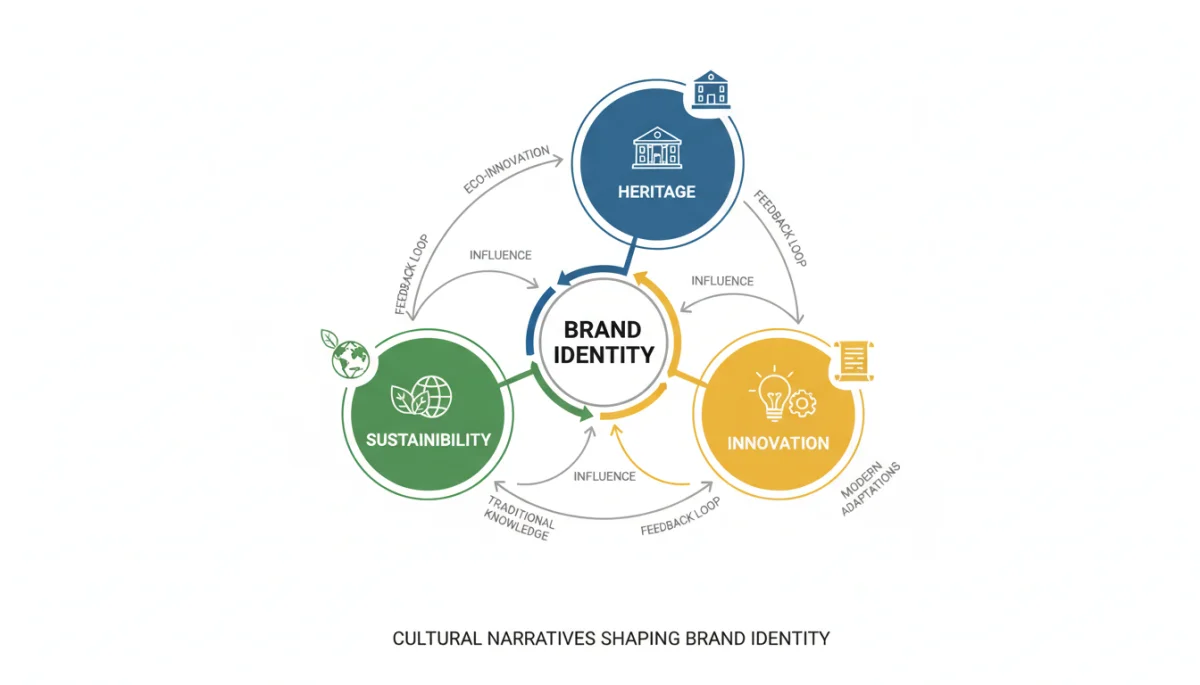
For instance, a watchmaker might tell stories of its century-old techniques, or a furniture company might highlight the skilled artisans who handcraft each piece. These narratives elevate the product beyond its functional utility, imbuing it with a sense of history, artistry, and intrinsic value. By connecting consumers to a legacy of quality and tradition, brands can foster a deep appreciation and loyalty that transcends fleeting trends. It’s about investing in something with a soul, not just a price tag.
The Embrace of Digital-Native Innovation
While nostalgia holds its charm, the American landscape in 2026 is undeniably shaped by digital-native innovation. This cultural narrative celebrates the cutting edge, the seamless integration of technology into daily life, and the constant evolution of digital experiences. Brands that effectively tap into this trend are those that embody forward-thinking, adaptability, and a commitment to enhancing lives through technological advancement.
This narrative isn’t just for tech companies; it’s about how any brand can leverage digital tools to create more engaging, personalized, and efficient interactions. Storytelling here focuses on the future, on possibility, and on how innovation solves problems and creates new avenues for connection and expression. It’s about being a pioneer, not just a participant, in the digital age.
Personalized Digital Experiences
One of the most powerful aspects of digital innovation is the ability to offer highly personalized experiences. Brands can use data and AI to tailor content, product recommendations, and even customer service to individual preferences. The storytelling here highlights how technology creates a more relevant and enjoyable journey for each consumer.
- Showcasing AI-driven personalized product recommendations.
- Detailing seamless multi-platform user experiences.
- Explaining how data privacy is maintained in personalized services.
- Highlighting innovative uses of AR/VR for product trials.
The narrative is one of understanding and anticipation, where the brand uses technology to meet the customer’s needs before they even articulate them. This creates a sense of being valued and understood, transforming a potentially anonymous digital interaction into a deeply personal one. The story becomes about how technology serves the individual, making their life easier and more fulfilling.
Community Building Through Digital Platforms
Digital innovation also facilitates new forms of community and connection. Brands can create vibrant online spaces where customers can interact with each other, share experiences, and co-create content. This moves beyond traditional social media presence to building proprietary platforms or immersive virtual environments.
For example, a gaming brand might tell stories of its vibrant online community, or a fitness brand might highlight virtual workout groups. These narratives emphasize shared passions and collective engagement, showing how technology can bring people together, regardless of physical distance. By fostering these digital communities, brands become central to their customers’ social lives, building loyalty through shared experiences and a sense of belonging in the digital realm. The story here is about connection, collaboration, and the power of collective digital identity.
The Drive for Purpose and Social Impact
Beyond mere profit, consumers in 2026 are increasingly seeking brands with a clear sense of purpose and a demonstrable commitment to social impact. This cultural narrative reflects a growing desire for businesses to be forces for good in the world, addressing pressing societal challenges rather than simply existing to sell products. It’s about aligning personal values with purchasing decisions.
Storytelling in this space must go beyond corporate social responsibility (CSR) statements; it requires genuine action, measurable outcomes, and transparent communication. Brands need to articulate their mission clearly, show how they are making a difference, and invite consumers to be part of that positive change. It’s about building a movement, not just a customer base.
Mission-Driven Branding
Brands that successfully embody this narrative have a mission that extends beyond their core product or service. Their purpose is woven into the fabric of their brand identity, guiding every decision from product development to marketing. Their stories are about the change they seek to create in the world.
- Highlighting partnerships with non-profit organizations.
- Detailing initiatives to address social inequalities.
- Showcasing employee volunteer programs and impact.
- Explaining how a portion of profits contributes to a cause.
The narrative often features the people and communities directly impacted by the brand’s work, providing compelling human stories that resonate emotionally. It’s about demonstrating that the brand is not just talking the talk, but actively walking the walk. Consumers are more likely to support brands whose values align with their own, feeling that their purchase contributes to a greater good. This creates a powerful shared purpose between brand and customer, transforming transactions into acts of advocacy.
Activism and Advocacy
In some cases, brands go further, engaging in direct activism and advocacy for causes they believe in. This can involve taking a public stance on social or political issues, lobbying for policy changes, or using their platform to amplify marginalized voices. This approach requires courage and conviction, as it can be polarizing, but it also fosters incredibly strong loyalty among consumers who share those convictions.
For example, a brand might tell stories of its advocacy for climate justice, racial equality, or LGBTQ+ rights. These narratives position the brand as a leader and a changemaker, not afraid to challenge the status quo. By actively participating in social discourse and striving for systemic change, brands can build a powerful identity as purpose-driven entities that are committed to shaping a better future. This deepens the relationship with consumers, making them feel like they are part of a shared movement, not just a market segment.
| Cultural Narrative | Brand Impact |
|---|---|
| Localism & Community | Fosters authenticity and deep local connection, building trust and loyalty. |
| Sustainability Ethos | Attracts eco-conscious consumers through transparent, verifiable commitment. |
| Authentic Self-Expression | Empowers individuality, creating inclusive spaces and strong emotional bonds. |
| Purpose & Social Impact | Aligns with consumer values, transforming purchases into acts of advocacy. |
Frequently Asked Questions About Brand Storytelling
Storytelling is crucial because it goes beyond product features to forge emotional connections. In 2026, consumers seek brands that reflect their values and aspirations. A compelling narrative builds trust, fosters loyalty, and differentiates a brand in a crowded market, making it more relatable and memorable than competitors.
Brands can identify relevant cultural narratives by conducting thorough market research, engaging in social listening, and analyzing consumer behavior trends. Paying attention to demographic shifts, emerging values, and social movements helps uncover the stories that resonate most deeply with their target audience and the broader cultural landscape.
Ignoring cultural narratives risks brand irrelevance and alienation. Brands that fail to connect with prevailing societal values may appear tone-deaf, inauthentic, or outdated. This can lead to decreased consumer engagement, negative public perception, and ultimately, a loss of market share, as consumers gravitate towards more culturally attuned competitors.
Yes, a brand can embrace multiple cultural narratives, provided they are complementary and authentically integrated into the brand’s core identity. Attempting to force too many disparate narratives can dilute the brand’s message. The key is to find narratives that naturally align and reinforce each other, creating a coherent and multifaceted brand story.
Transparency is paramount for effective brand storytelling, especially concerning cultural narratives like sustainability or social impact. Consumers demand authenticity and verifiable claims. Brands that are open about their processes, challenges, and progress build trust and credibility, whereas a lack of transparency can lead to skepticism and accusations of ‘greenwashing’ or performative activism.
Conclusion
In the dynamic landscape of 2026 America, the ability to weave compelling stories is not just a marketing tactic; it is the very essence of building a resonant brand identity. By understanding and authentically integrating cultural narratives such as localism, sustainability, self-expression, well-being, heritage, and digital innovation, brands can move beyond transactional relationships to forge deep, emotional connections with their audience. These narratives provide the framework for brands to communicate their values, demonstrate their purpose, and ultimately, become an indispensable part of their consumers’ lives, ensuring relevance and loyalty in an ever-evolving world.
Related Posts: